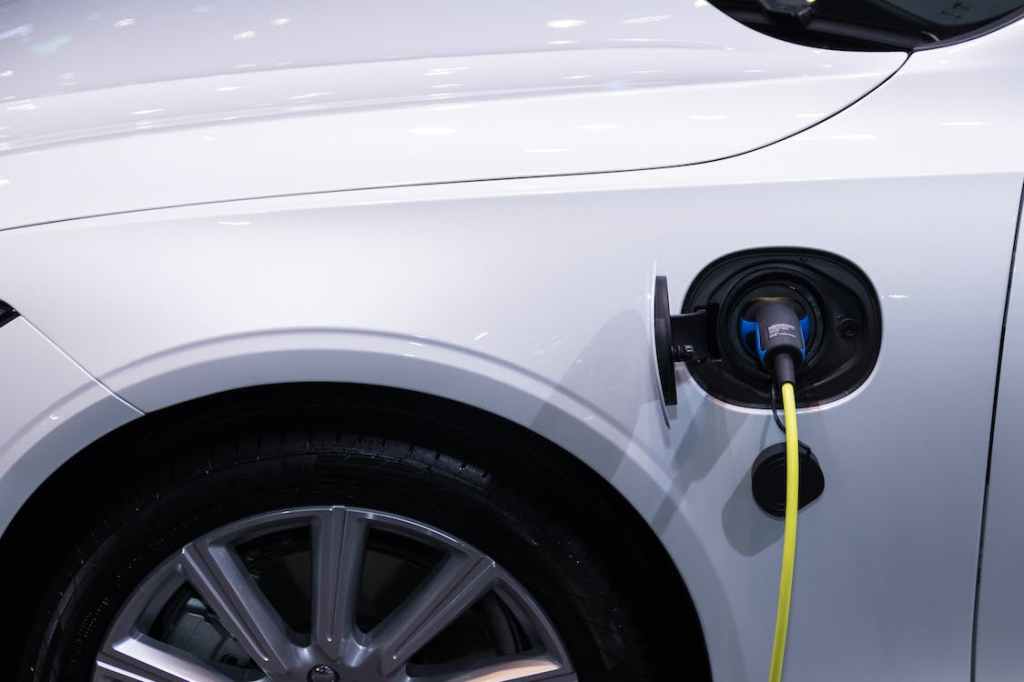
How to Plan a Road Trip with an Electric Car

Pexels

Electric vehicles (EVs) are here to stay. An EV is the greenest way to travel, especially for daily commutes to work or school. Can you go on a road trip with an electric car, though? The answer is yes. It takes a little extra planning, but it’s definitely doable. If you’re considering going on your next road trip in your EV, this guide highlights what you should know before you set off on your journey.

1.   What is your EV’s range?

The biggest concern about electric vehicle road trips is range, meaning how far the car can go without recharging. A Car and Driver report says that an EV typically goes just under half the distance of a gas-powered car before needing a recharge. That means finding a road trip route with twice as many charging stations as gas stations, or at least a charging station every 100 miles.

That said, find out all your EV’s range efficiency options, like regenerative braking,  eco-driving settings, managing climate control, and other tips and hacks from fellow EV drivers. These can help you get the maximum mileage for your road trip traveling farther between charging stations.

2.   How to find charging stations en route

If you have Google Maps built into your electric vehicle, you can easily search for charging stations  by charge type, charging speed, and payment methods. If not, try manually searching for charging stations on the Google Maps app, or try alternatives like Waze and Zap Map. These apps can help you plan the most efficient route and notify you about charging stations as you drive.

Note that charging stations vary by type (Level 1, 2, and DC fast charging), while others require specific memberships and payment options. Try to plan your EV road trip along reliable charging networks for your convenience.

3.   Preparing an electric vehicle for a road trip

I always recommend doing a thorough maintenance check for your road trip vehicle before you hit the road. It’s even more important for an electric vehicle road trip. Make sure your car’s battery is in good shape and you’re running updated software. Also. keep your charging cables and adapters handy for compatibility at different stations.

4.   Planning your charging stops

Regardless of the type of charging your EV has, it will take time to get your battery full, sometimes up to 8 hours. Also, some charging stations may be crowded or have limited availability during peak travel times. So, what can you do to make the most of this waiting time?

The easiest thing is to find charging stations that are close to the attractions you’d like to visit during your road trip. This way, you can set a timer or notifications for your charging vehicle and explore a nearby park, museum, nature walk, etc. You can also plan your trip to charge your EV overnight only. Of course, a charging station is not a parking spot. Consider who else is waiting for their turn, and remove your vehicle when it’s charged.

Include charging options as you plan your accommodations, too. Some hotels and restaurants also provide charging stations for their guests, which is a convenient way to juice up your EV battery while you enjoy a meal or rest after driving.

5.   Overcoming range anxiety on an EV road trip

I understand that even with all these tips and tricks, it’s still a bit nerve-wracking to go on a long trip in an electric vehicle. Range anxiety keeps saying, “What if my battery runs out in the middle of nowhere?” There are roadside assistance services that cater to EVs, either provided by your vehicle manufacturer or through membership services. These services can jump-start dead EV batteries or tow you to the closest charging station or dealership. Keep these services on your emergency contact list and head out on your EV road trip with confidence.


 Looking for road trip ideas? How about 100 to start you off? 100 Road Trips in the USA: An Alphabetical List of Scenic Drives, National Parks, Historic Monuments, and Incredible Attractions in America.
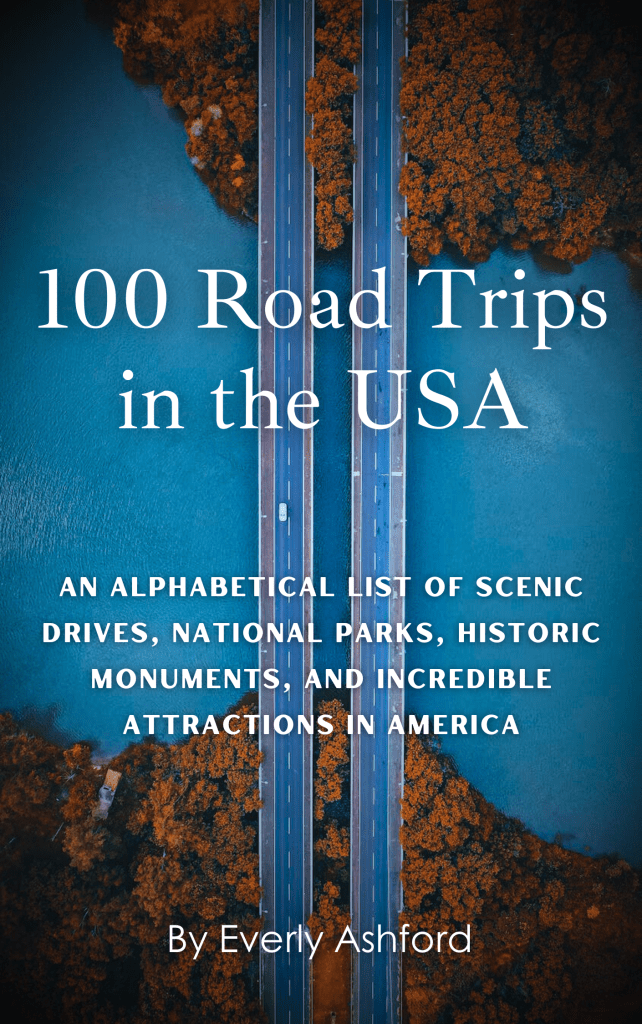
Out now: Order your copy today.

How to Make a Road Trip Itinerary

Unsplash

Let me start with a disclaimer: I like planning my road trips. Some of us prefer to be more spontaneous and flexible, and you can certainly enjoy this freedom if you don’t plan ahead—just pick a destination and see where the road leads you. But if you’re traveling with company or have time or money constraints, a road trip planner will make things much easier. Here’s how to make a good road trip itinerary, plus some dos and don’ts to remember.

Road Trip Itinerary in 7 Steps

Step 1: Decide your start and end points

This is a pretty basic step, but it helps you know the distance and route you’ll take on your journey. You’ll need a different itinerary for a one-way trip than a round trip. For example, if you’re relocating to a new town, city, or state, your road trip planner may have fewer attractions or stopovers for recreation because there’s a sense of urgency to arrive at your new home. A round trip, however, means you can be as leisurely as you like because you’re going back to the same place.

Step 2: Estimate the length of your trip

How much time do you have for the entire road trip? How many stops do you want to make? How long do you want to spend at each stop? You want to make the most of every moment on the road.

Step 3: Note down the attractions and accommodations

Do some research about your route and mark the scenic attractions, landmarks, restaurants, and accommodations. Categorize them into a “must-see/must-stop” list and a “would be nice” list. If you encounter any setbacks on the road, you may have to forego some stops or destinations because of time or budget constraints.

Step 4: Leave some wiggle room

Be flexible with your road trip planner in case you make changes on the journey. You may want to linger at certain destinations, follow an unbeaten path, or even participate in an event that just happens to be en route.

Step 5: Write a rough draft

Consider how far you want to drive each day, where you’d like to stop for food and supplies, where you’ll spend the night, etc., and put it down on paper. It helps to visualize your trip this way before you proceed with the next steps.

Step 6: Check your budget

Think of your draft itinerary as a wishlist; now look at it against your road trip budget. See if your finances can manage the fuel, food, accommodation, attraction fees (if any), equipment rentals (bikes, kayaks, tents, etc.), plus a contingency amount for emergencies.

Step 7: Share your road trip itinerary

There are two reasons why sharing your itinerary is a good idea. First, you can get feedback from others who have taken the same trip before. You may discover attractions or activities you may have missed, or get some useful tips to make your journey easier. Then, you want someone trustworthy to know your whereabouts before you head out. Once that’s done, you can commit to the itinerary and start thinking about what to pack and getting your vehicle ready for the trip.

Pro tips:

  • Consider using a planning app or editable template. Do a quick search on your smartphone marketplace or search engine and pick what works for you.
  • You can also find pre-made road trip itineraries if you’re planning a popular trip, like the example below.

Road Trip Itinerary Example

Here’s a basic road trip planner for a journey from San Francisco to Los Angeles, seven days along the West Coast of the USA.

Day 1: San Francisco to Napa Valley

  • 1.5-hour drive
  • Visit vineyards and wineries
  • Overnight stay at Napa River Inn

Day 2: Napa Valley to Lake Tahoe

  • 3.5-hour drive
  • Hiking and swimming in Lake Tahoe
  • Overnight stay at The Cottage Inn

Day 3: Lake Tahoe to Yosemite

  • 4.5-hour drive
  • Full day at Yosemite National Park
  • Overnight stay at Curry Village

Day 4: Yosemite to Monterey

  • 4.5-hour drive
  • Visit the Monterey Aquarium and Point Sur Lighthouse
  • Overnight stay at Victorian Inn

Day 5: Monterey to Big Sur

  • 1-hour drive
  • Visit Keyhole Rock at Pfeiffer Beach; surf at Sand Dollar Beach
  • Overnight stay at Deetjen’s Big Sur Inn

Day 6: Big Sur to Santa Barbara

  • 4-hour drive
  • Visit Lotusland Gardens and Sea Center in Stearns Wharf
  • Overnight stay at Eagle Inn

Day 7: Santa Barbara to Los Angeles

  • 2-hour drive
  • Tour Warner Bros. Studios; visit the Hollywood Wax Museum
  • Overnight stay at The Hollywood Roosevelt

You can imagine the variations and possibilities just from this simple itinerary. There are all kinds of activities and attractions on this route, not to mention accommodations for every kind of budget. You can also break the drives into shorter distances to extend the road trip by a few days and explore more local towns and experiences. Customize your itinerary as much as you wish and get the most out of your road trip.

Road Trip Itinerary Do’s and Don’ts

Do:

  • Include rest days to avoid burnout behind the wheel, especially if you’re traveling solo.
  • Use your itinerary as a packing guide, e.g., pack swimming trunks and sunscreen if your journey includes a beach, or waterproof shoes and a raincoat if you’re hiking through a rainforest.
  • Plan your itinerary more around attractions than budget and distance. You can find creative ways to save money and still visit your must-see destinations.
  • Have a backup plan. Know what to do if you find roads closed for maintenance, experience inclement weather, or other unexpected changes on the journey.

Don’t:

  • Cram too much into your road trip planner. Make your journey about enjoyment, not crossing off  a checklist.
  • Overlook essential services. You can sign up with a roadside assistance company, but also check gas stations, grocery stores, pharmacies, and emergency health services along your route as you research your trip.
  • Overlook eating time. Expect to stop for meals and refreshments, whether that’s your packed road trip snacks or a diner along the way.
  • Forget the weather forecast. Add a note to each destination marking the expected weather conditions and always anticipate changes.

Looking for road trip ideas? How about 100 to start you off? 100 Road Trips in the USA: An Alphabetical List of Scenic Drives, National Parks, Historic Monuments, and Incredible Attractions in America.

Out now: Order your copy today.