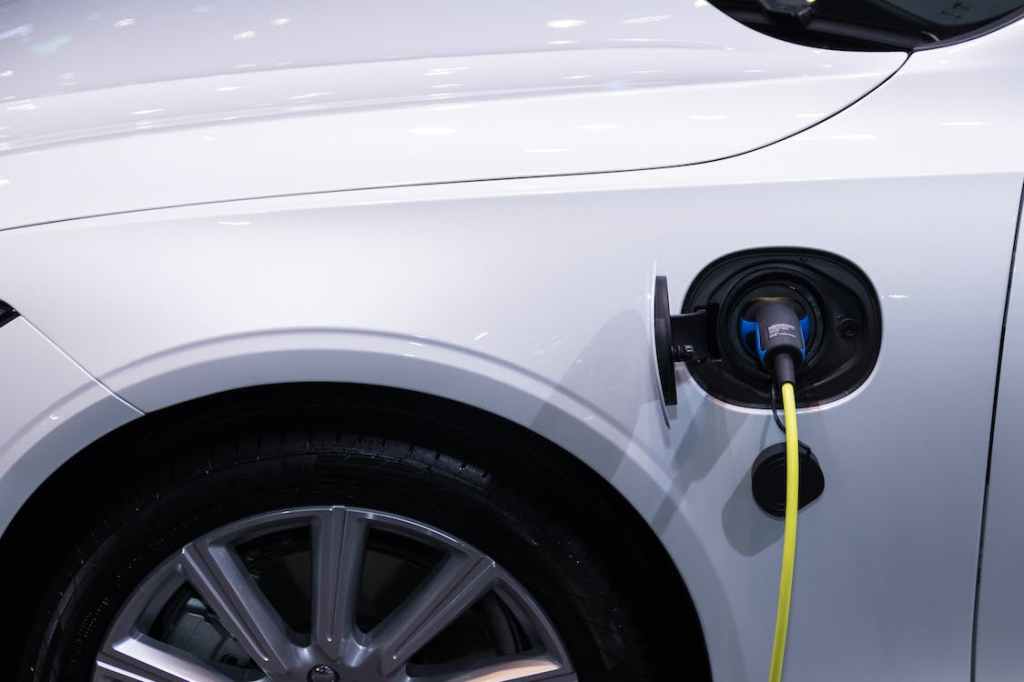
How to Plan a Road Trip with an Electric Car

Pexels

Electric vehicles (EVs) are here to stay. An EV is the greenest way to travel, especially for daily commutes to work or school. Can you go on a road trip with an electric car, though? The answer is yes. It takes a little extra planning, but it’s definitely doable. If you’re considering going on your next road trip in your EV, this guide highlights what you should know before you set off on your journey.

1.   What is your EV’s range?

The biggest concern about electric vehicle road trips is range, meaning how far the car can go without recharging. A Car and Driver report says that an EV typically goes just under half the distance of a gas-powered car before needing a recharge. That means finding a road trip route with twice as many charging stations as gas stations, or at least a charging station every 100 miles.

That said, find out all your EV’s range efficiency options, like regenerative braking,  eco-driving settings, managing climate control, and other tips and hacks from fellow EV drivers. These can help you get the maximum mileage for your road trip traveling farther between charging stations.

2.   How to find charging stations en route

If you have Google Maps built into your electric vehicle, you can easily search for charging stations  by charge type, charging speed, and payment methods. If not, try manually searching for charging stations on the Google Maps app, or try alternatives like Waze and Zap Map. These apps can help you plan the most efficient route and notify you about charging stations as you drive.

Note that charging stations vary by type (Level 1, 2, and DC fast charging), while others require specific memberships and payment options. Try to plan your EV road trip along reliable charging networks for your convenience.

3.   Preparing an electric vehicle for a road trip

I always recommend doing a thorough maintenance check for your road trip vehicle before you hit the road. It’s even more important for an electric vehicle road trip. Make sure your car’s battery is in good shape and you’re running updated software. Also. keep your charging cables and adapters handy for compatibility at different stations.

4.   Planning your charging stops

Regardless of the type of charging your EV has, it will take time to get your battery full, sometimes up to 8 hours. Also, some charging stations may be crowded or have limited availability during peak travel times. So, what can you do to make the most of this waiting time?

The easiest thing is to find charging stations that are close to the attractions you’d like to visit during your road trip. This way, you can set a timer or notifications for your charging vehicle and explore a nearby park, museum, nature walk, etc. You can also plan your trip to charge your EV overnight only. Of course, a charging station is not a parking spot. Consider who else is waiting for their turn, and remove your vehicle when it’s charged.

Include charging options as you plan your accommodations, too. Some hotels and restaurants also provide charging stations for their guests, which is a convenient way to juice up your EV battery while you enjoy a meal or rest after driving.

5.   Overcoming range anxiety on an EV road trip

I understand that even with all these tips and tricks, it’s still a bit nerve-wracking to go on a long trip in an electric vehicle. Range anxiety keeps saying, “What if my battery runs out in the middle of nowhere?” There are roadside assistance services that cater to EVs, either provided by your vehicle manufacturer or through membership services. These services can jump-start dead EV batteries or tow you to the closest charging station or dealership. Keep these services on your emergency contact list and head out on your EV road trip with confidence.


 Looking for road trip ideas? How about 100 to start you off? 100 Road Trips in the USA: An Alphabetical List of Scenic Drives, National Parks, Historic Monuments, and Incredible Attractions in America.

Out now: Order your copy today.
Expert Tips for an Eco-Friendly, Sustainable Road Trip Experience 

Pexels

Sustainable travel is gaining momentum, not only for air travel but road trips, too. Many of us want to experience the joys of the open road but worry about how it impacts our environment. It’s safe to say that you can still love road trips with the smallest possible carbon footprint. So today we’ll look at some road trip essentials for an enjoyable, eco-friendly journey. 

Sustainable Road Trip Vehicle Tips

  • Make fuel efficiency a priority when you select your road trip vehicle. Hybrid and electric cars are your ideal choices, but you can also choose a model that’s known for low fuel consumption. 
  • Keep your car in good shape before, during, and after your road trip. A well-maintained car will use less fuel and have less need for spares and replacements. You can keep the same car for decades instead of buying newer models frequently, unless you’re upgrading to higher efficiency, better safety, and lower maintenance. 
  • Use eco-friendly motor oils that are biodegradable and meet industry standards. An environmentally acceptable lubricant (EAL) should contain at least 90% biodegradable substances for oils and 75% for grease. 
  • If possible, use alternative fuels for your road trip vehicle, e.g., biodiesel, ethanol, or hydrogen. First, check if your engine is compatible with these alternative fuels, and if it is, look for gas stations with alternative options as you plan your trip. 
  • Share your ride if you’re heading for popular destinations. Join a carpooling platform like sRide or BlaBlaCar and offer rides along the way. If you do this right, you can meet incredible people on your road trip and do your part to reduce the number of cars and emissions on the road.

Sustainable Road Trip Planning Tips

  • Choose the most efficient road trip route possible. Go for destinations that are closer to each other, so you’ll drive less and spend more time enjoying each location. 
  • For longer road trips, opt to stay at eco-lodges or green hotels that use renewable energy, recycled products, sustainable waste management, etc. 
  • Travel with reusable shopping bags to avoid plastic bags when you top up supplies or buy souvenirs during your road trip. 
  • Use biodegradable toiletries like wet wipes, soaps, toothpaste, and toilet paper. This way, you know your products won’t harm the environment whenever you dispose of them. 
  • Choose to buy locally made souvenirs instead of imported ones. Supporting local artisans and craftspeople means improving their livelihoods and cutting emissions from the importing process. 
  • Travel slowly and spend enough time at each destination. Packing your itinerary with activities over a short time means you’ll be rushing through places, driving more, and using more fuel. 

Sustainable Road Trip Food Tips

  • Reusable water bottles are a must-have for a road trip, especially if you’re planning to go camping or hiking. Refill it at rest stops, convenience stores, gas stations, or water fountains at different attractions.
  • Also, travel with a portable water filter in case you need to draw water from a river or a lake, but more for your peace of mind when refilling your water supply. There are lots of options available, from manual hand-pump filters to rechargeable models. 
  • Carry reusable utensils and food containers for snacks and leftovers when you stop at diners and restaurants. This is a great way to avoid using disposable or single-use food items. Just remember to keep them clean and pack them safely away after use. 
  • Make sure all your containers (water bottles, coffee mugs, Tupperware) are leak-proof to minimize waste. 
  • Buy food from local farm-to-table restaurants or farmers’ markets. It helps to support mom-and-pop businesses and reduce your carbon footprint–you reduce emissions from food transportation when you get your food locally as you travel. 

Sustainable Adventure Tips 

  • Always dispose of your road trip waste items like food wrappers, fruit peels, empty bottles, cigarette butts, etc., at designated trash bins or recycling facilities. Don’t toss these items out the window as you drive. Pack them properly in a waste bag and keep them until you find a bin. 
  • If you’re exploring a national park or campsite, keep to the designated areas. Straying from these places can risk disrupting a fragile ecosystem or disturbing the animals that live there. 
  • Don’t feed any wildlife you encounter on your road trip. It’s risky to lure animals with food because they could harm you, but the food itself can harm them too. 
  • Follow the Leave No Trace principles at every destination on your road trip. Pick up after yourself when you stop for a picnic, keep your road trip entertainment at a respectable volume, and leave every destination better than you found it. 
  • Volunteer for conservation initiatives if you find them on your journey, e.g., beach cleanups, habitat restorations, wildlife monitoring, etc. Leave some room in your itinerary to participate in these activities. 
  • Immerse yourself in the cultures you find on your road trip through workshops, festivals, or other activities. You’ll learn about the impact of climate change on these communities from a new perspective. 

After Your Journey 

  • If you’ve saved some money from your road trip, consider donating it to a carbon offset program that invests in green energy and conservation. 
  • Calculate your road trip’s carbon footprint and buy carbon credits to offset your impact. Use an online carbon footprint calculator to see your estimated vehicle emissions, then select your offset options, e.g., tree planting initiatives, reforestation, or other initiatives that remove carbon from the atmosphere.   
  • Find local renewable energy initiatives that create a greener community, and volunteer your time and knowledge when you return home from your road trip. 

Looking for road trip ideas? How about 100 to start you off? 100 Road Trips in the USA: An Alphabetical List of Scenic Drives, National Parks, Historic Monuments, and Incredible Attractions in America.

Out now: Order your copy today.