Electric vehicles (EVs) are here to stay. An EV is the greenest way to travel, especially for daily commutes to work or school. Can you go on a road trip with an electric car, though? The answer is yes. It takes a little extra planning, but it’s definitely doable. If you’re considering going on your next road trip in your EV, this guide highlights what you should know before you set off on your journey.
1. What is your EV’s range?
The biggest concern about electric vehicle road trips is range, meaning how far the car can go without recharging. A Car and Driver report says that an EV typically goes just under half the distance of a gas-powered car before needing a recharge. That means finding a road trip route with twice as many charging stations as gas stations, or at least a charging station every 100 miles.
That said, find out all your EV’s range efficiency options, like regenerative braking, eco-driving settings, managing climate control, and other tips and hacks from fellow EV drivers. These can help you get the maximum mileage for your road trip traveling farther between charging stations.
2. How to find charging stations en route
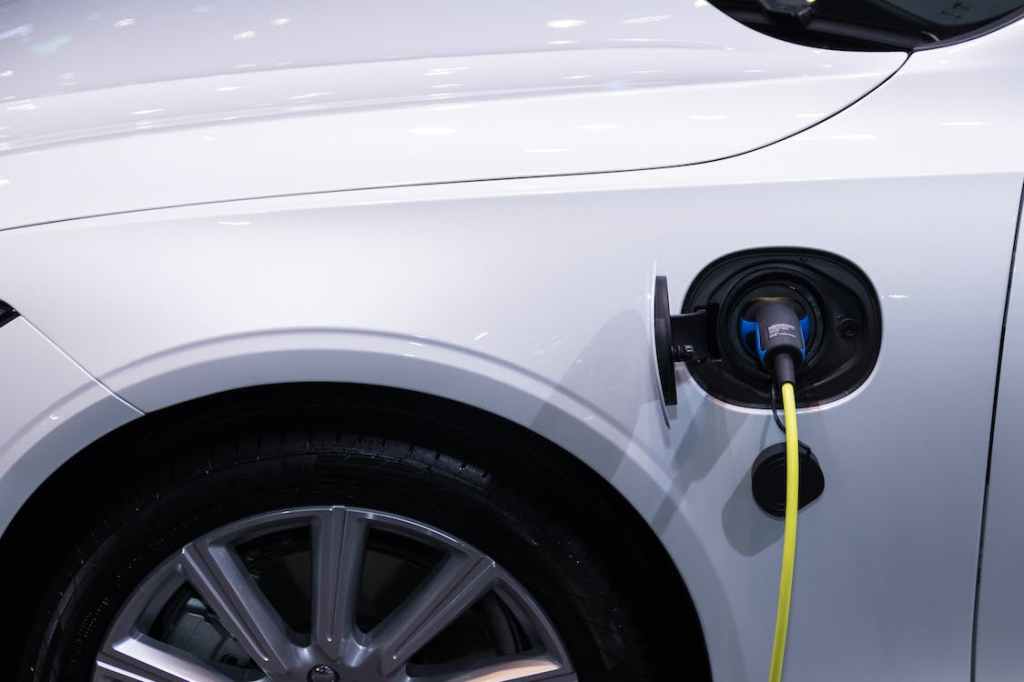
If you have Google Maps built into your electric vehicle, you can easily search for charging stations by charge type, charging speed, and payment methods. If not, try manually searching for charging stations on the Google Maps app, or try alternatives like Waze and Zap Map. These apps can help you plan the most efficient route and notify you about charging stations as you drive.
Note that charging stations vary by type (Level 1, 2, and DC fast charging), while others require specific memberships and payment options. Try to plan your EV road trip along reliable charging networks for your convenience.
3. Preparing an electric vehicle for a road trip
I always recommend doing a thorough maintenance check for your road trip vehicle before you hit the road. It’s even more important for an electric vehicle road trip. Make sure your car’s battery is in good shape and you’re running updated software. Also. keep your charging cables and adapters handy for compatibility at different stations.
4. Planning your charging stops
Regardless of the type of charging your EV has, it will take time to get your battery full, sometimes up to 8 hours. Also, some charging stations may be crowded or have limited availability during peak travel times. So, what can you do to make the most of this waiting time?
The easiest thing is to find charging stations that are close to the attractions you’d like to visit during your road trip. This way, you can set a timer or notifications for your charging vehicle and explore a nearby park, museum, nature walk, etc. You can also plan your trip to charge your EV overnight only. Of course, a charging station is not a parking spot. Consider who else is waiting for their turn, and remove your vehicle when it’s charged.
Include charging options as you plan your accommodations, too. Some hotels and restaurants also provide charging stations for their guests, which is a convenient way to juice up your EV battery while you enjoy a meal or rest after driving.
5. Overcoming range anxiety on an EV road trip
I understand that even with all these tips and tricks, it’s still a bit nerve-wracking to go on a long trip in an electric vehicle. Range anxiety keeps saying, “What if my battery runs out in the middle of nowhere?” There are roadside assistance services that cater to EVs, either provided by your vehicle manufacturer or through membership services. These services can jump-start dead EV batteries or tow you to the closest charging station or dealership. Keep these services on your emergency contact list and head out on your EV road trip with confidence.
Looking for road trip ideas? How about 100 to start you off? 100 Road Trips in the USA: An Alphabetical List of Scenic Drives, National Parks, Historic Monuments, and Incredible Attractions in America.
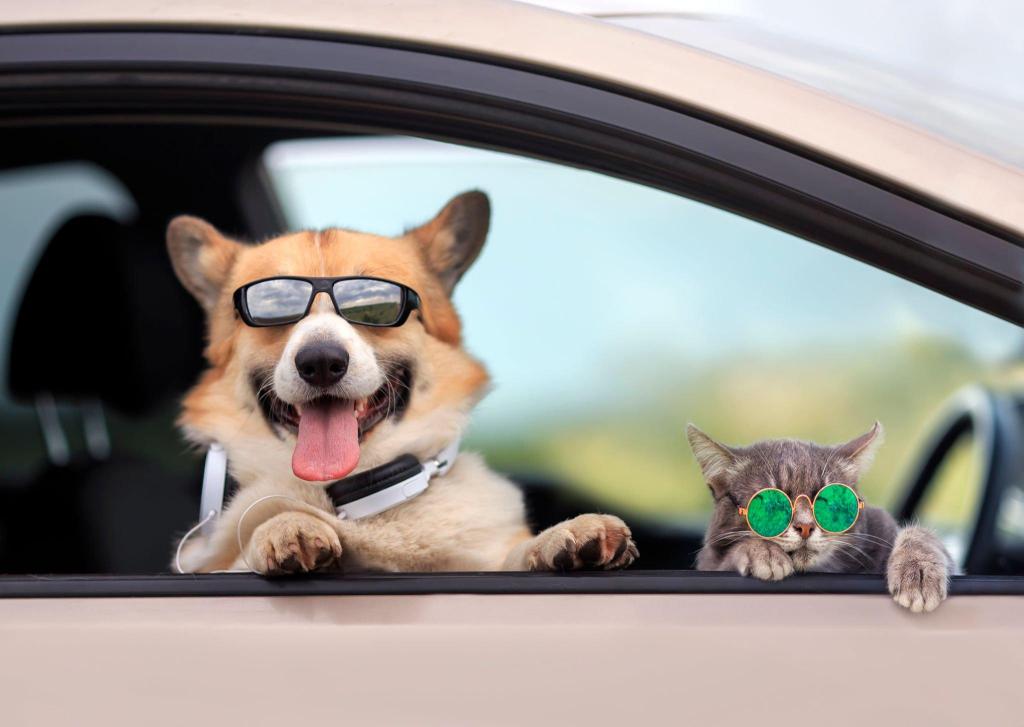
If you have a furry friend, you want to take them everywhere with you, including on road trips. But how do you travel over long distances with a cat or dog (or both or several!) and have a great time? Here are the top questions to ask before you head out on your adventure.
1. Is your pet’s personality compatible with a road trip?
Maybe your pet loves to run around in open spaces, so an extended time in the car would make them anxious. Or your pet has a cool, calm personality and loves the tranquility of a long drive. Or they have a huge personality and would bounce around the car, distracting you from driving. Ideally, you want to acclimatize your pet with short car rides, but if you’ve just adopted them, there are a few things you can do to make the road trip more comfortable:
Get a pet carrier or crate, especially if your pet is small in size or young in age. Your pet should be able to stand, lie down, and turn comfortably, so you can secure the crate to the car seat. It should also have room enough for a few pet toys to keep them happy.
For larger pets, put a mesh divider or barrier between your front and back seats to keep them from rushing forward while you drive. For dogs particularly, you can buy a canine seatbelt to buckle them in during your journey.
Get your pet’s favorite toys and blankets in the car with you. Familiar objects can help them calm down during a road trip.
Remember that even a super well-behaved pet can get excited on a road trip and become a hazard while you drive. Secure them as best you can, then stop often to let them get some exercise.
2. Is your pet in good health?
If your pet has a preexisting health issue or is a senior, take extra precautions while you prepare for a road trip. Take them to the vet a few days before the trip to update their vaccinations, top up their medication, and get tips on how to keep them calm on your journey. Even with pets in great health, a routine checkup is great for peace of mind.
3. Does your pet have all their identifications?
This means their name on a collar, your contact details should they get lost, and possibly a GPS tracker on them as well. You may also need permits or vaccination certificates for certain destinations if you’re crossing state borders. Some parks may also need these details in case your pet gets off their leash or gets injured as you travel.
4. Are you ready for frequent stops?
Road trips with pets tend to go slower than you expect because of the rest stops. Your pet will need exercise and a chance to potty, so pace your journey to accommodate their needs. Choose pet-friendly stops and always have waste bags to pick up after them.
5. Do you have road trip-friendly bowls?
You need to keep your pet fed and hydrated during your road trip, but the food and water bowls at home might not be suitable for the journey. Find some spill-proof pet bowls and leak-proof bottles to avoid making a big mess in your car. Search online for “travel pet bowls” and “travel pet water dispensers” and see which ones best fit your furry friend.
6. Does your road trip vehicle have good climate control?
If you have to stop for supplies or grab some takeout in no-pet places, you’ll need to leave your pet in your car for some time. Remember, cats and dogs can easily overheat or get too cold, so your vehicle needs a well-functioning AC system in case you leave them unattended, however briefly. Crack your windows open, too, and consider leaving a note on your window indicating that your pet is safe and you’ll be right back.
7. How do you plan to keep your pets entertained on the road?
Unlike road trips with kids where you have lots of conversations and [road trip games] to play, pets will need a different kind of engagement. Look for interactive toys that dispense treats, and get a variety of their old favorites and new, fun toys to keep them occupied. Try to avoid squeaky or noisy toys because they can be really distracting when you’re driving. And go for larger toys that won’t roll under your car seats.
8. Have you confirmed that your accommodations and attractions are pet-friendly?
Imagine arriving at your destination only to discover your furry friend isn’t allowed. Read the reviews, look at pet policies, and call ahead to find out if your hotel, motel, parks, beaches, etc., welcome pets. Some places charge additional fees for pets, while others have strict rules about leashes. A little extra research can save you from huge inconveniences.
Looking for road trip ideas? How about 100 to start you off? 100 Road Trips in the USA: An Alphabetical List of Scenic Drives, National Parks, Historic Monuments, and Incredible Attractions in America.
A road trip is a wonderful opportunity for parents to bond with their children, no matter their age. However, the younger the kids, the more preparation you need to have an enjoyable journey. Here are some road trip tips if you’re traveling with children under the age of 12.
1. Plan some age-appropriate, engaging activities
Younger kids who need car seats can get restless and bored quickly on a road trip. So, keep their toys and games within reach and engage them with conversation. Coloring books are also great for road trips, but keep the crayons and colored pencils in a Tupperware container to keep them neatly. Same with Play-Doh, Legos, and other types of toys with small parts–a plastic container for these items will be a lifesaver on a road trip.
For older kids, pack their favorite comic books, puzzles, dolls, action figures, and other favorites to keep them occupied. Try to break up their screen time with hands-on activities with fun road trip games like I Spy or trivia.
2. Pack enough healthy snacks and drinks
Don’t let your kids get hangry on your road trip. Otherwise, they’ll need more stops and distract you while you drive. Pack snacks like fruits, vegetables, trail mix, and finger foods in portioned containers, plus more than enough water and juice to keep them hydrated. Save the candy for extra-special treats.
3. Choose age-appropriate destinations and attractions
A road trip with kids under 12 will have lots of rest stops, not just for bathroom breaks but to just let them run around and explore. Children have shorter attention spans, so a long stretch of road will quickly get boring. Pace your journey accordingly in terms of distance, driving time, fuel consumption, and attractions. Plan to stop at parks, museums, amusement centers, zoos, aquariums, beaches, lakes, science centers, etc., depending on your kids’ age and interests.
4. Consider your safety from all angles
Child safety on a road trip means more than car seats and seatbelts. It’s about checking the weather conditions before you head out and making sure you and your kids are dressed appropriately. It also means having a fully stocked first aid kit and emergency contacts for clinics and hospitals along the way. Share your travel plans with your loved ones and check in with them regularly while you’re on the road. Drive defensively, even if your road trip vehicle has the latest safety features.
5. Be prepared for motion sickness
Extended road trips can trigger motion sickness in children, making them nauseated, dizzy, tired, or drowsy. It’s usually caused by a sensory mismatch, meaning your body registers motion but your eyes don’t. Winding roads or sudden stops and starts while you drive can feel uncomfortable for your children. You can reduce the chances of motion sickness for your kids by:
Using a booster seat to allow your child to see out the window and look at the horizon. Have some travel pillows on hand to make sitting more comfortable.
Avoiding heavy meals before and during the road trip. Light snacks can minimize the chances of vomiting from motion sickness.
Keeping the windows open to allow fresh air to flow through the vehicle. If not, keep the air conditioning in the vehicle cool and constant.
Avoiding screen time and encouraging your kids to look outside or play some active games.
Taking regular breaks every couple of hours to alleviate any motion sickness symptoms.
6. Celebrate milestones big and small
When you have kids on a road trip, your milestones go beyond reaching your destination. Reward your kids when they spot something interesting on the journey, finish their snacks, or put away their toys neatly. Appreciate them when they win their road trip games or look out for each other as they explore attractions. Recognize them when they take great photos during the trip or have a super fun singalong. This is what makes the road trip fun and keeps you motivated, especially during an extended journey.
Looking for road trip ideas? How about 100 to start you off? 100 Road Trips in the USA: An Alphabetical List of Scenic Drives, National Parks, Historic Monuments, and Incredible Attractions in America.
We’ve all seen the movies where a family packs up and hits the road, and the ensuing drama is what makes it fun to watch. But the reality is that a family road trip takes a lot more planning if you want it to go smoothly. So, this guide covers the road trip essentials to help you travel with your loved ones, no matter your family’s configuration. These tips will work if it’s just you and your child, you and your parents, partners with toddlers or teenagers, you name it.
1. Choosing your route and destinations
Research everything you can about your journey, from the most efficient route to attractions that engage all ages. It’s best to make this process a family thing, so ask everyone what they’d like to see on the road trip. While you might not make everyone 100% happy at this step, explore alternatives and compromises based on:
The distance you need to drive
The time you can realistically spend on the journey
Opening hours and admission fees for certain destinations
Events you can or can’t afford to miss.
Let everyone contribute to planning your road trip itinerary. It’s more fun that way, and you may discover really great ideas for adventures and experiences than if you planned the trip alone.
2. Budgeting for a family road trip
The secret to a family road trip budget is prioritizing. The non-negotiable expenses on a road trip include food, fuel, and accommodation. Find out how to save money by traveling off-season, finding affordable dining options, and finding family discounts for hotels or campsites.
When it comes to attractions, consider buying group passes for visiting parks, museums, or other destinations. If an attraction is too far from your main route, it will cost more time and fuel. Prioritize the locations that are most convenient and enjoy them fully instead of rushing through destinations.
Souvenirs can take up the least portion of your family road trip budget. You want to buy fewer non-essential items, which can add extra luggage for the journey. Instead, take photos and videos at your destination as timeless keepsakes to share with your friends. These cost nothing but some storage space on your camera or phone. Print out your favorites after the road trip for your work desk or as wall hangings.
Finally, define the terms for your road trip contingency money. This amount should only be used for emergency car repairs, health emergencies, replacing lost or broken items, or finding alternative transportation or accommodation if the weather changes.
3. Preparing your road trip vehicle
Apart from servicing your family vehicle before your trip, there are a few other preparations you may need to make to keep everyone safe and comfortable on your journey:
Leg room: Make sure your car seats are easily adjustable to accommodate a diverse group. It will help you decide who sits where, so that taller or elderly people don’t feel cramped or kids don’t have too much space to play around and distract you while you drive.
Safety features: With your loved ones in the car with you, make sure you have more safety features than you think you’ll need. Check that your seatbelts, airbags, ABS, driver assistance, emergency brakes, etc. are in top shape before you travel.
Accessibility: Something as simple as sunshades can make a huge difference for a family on a road trip, especially for kids and the elderly, who may not enjoy direct sunlight in the car. Ensure your car has wide-enough doors and a low step-in height, too.
Climate control: Heating, cooling, and ventilation are the essential features you need for an enjoyable family road trip. These keep you and your passengers at a comfortable temperature in the vehicle regardless of the weather outside, meaning you can travel any time of the year.
Device charging ports: Expect almost everyone on a family road trip to have a gadget of some kind that will need charging, e.g., smartphones, cameras, tablets, gaming devices, etc. Get a portable USB outlet that fits into your cigarette lighter to charge multiple devices conveniently.
4. Packing for a family road trip
A family road trip packing list needs four main things: an emergency supplies kit, personal items, entertainment, and snacks.
Your emergency supplies should include a full first aid kit, flashlights, jumper cables, a spare tire, and anything that would come in handy in case of a medical or vehicle problem. The idea is to have what you need to get you back on the road and to the closest health facility while you’re on the journey.
Personal supplies include everyone’s clothes and toiletries for the trip. This means having everyone’s belongings packed separately to avoid confusion and inconvenience.
If you’re traveling with young kids or teens, road trip entertainment becomes a priority. Those long stretches of empty road can make them restless and cranky, meaning they’ll distract you while you’re driving. So, make sure everyone has their favorite toys, books, and gadgets for the trip. Consider playing a few road trip games as well to engage their interests.
Also, pack a good variety of road trip snacks to keep your family happy during the trip. Fill a cooler with precut fruits and veggies, fruit juices, plus energy drinks and candy for when you really need a boost. Give everyone a reusable water bottle instead of buying bottled water for the trip. Pack sandwiches or other bite-sized meals to enjoy at pit stops.
5. Accommodation for a family road trip
There are plenty of family-friendly accommodations for road trip travelers, from hotels to campsites with kitchenettes and playgrounds. Choose places that are close to the attractions you want to visit and have all the amenities you need at your convenience. Read guest reviews about each type of accommodation and book it in advance.
Keep in mind, however, that your family members may each have their own privacy needs. This may prove challenging for your budget if you need to book separate rooms for everyone or rent a spacious RV for the road trip. Figure out how best to share spaces with as little friction as possible.
6. Distributing tasks for a family road trip
Get everyone to participate in the family road trip depending on their age, interests, and abilities. For example, assign tasks like preparing snacks, creating music playlists, using navigation apps, etc., so that whoever is behind the wheel can concentrate on driving. You can also choose a designated photographer to capture the experience as a family.
Let everyone participate in tidying up the vehicle or organizing their belongings as you leave your accommodations. For extra motivation, consider creating a reward system like stars or points for whoever does their tasks the best. Whoever scores highest gets special privileges like choosing the next playlist or activities at the next rest stop.
7. Resolving conflicts during a family road trip
Families are bound to get into some disagreements on a road trip. You could have different preferences for destinations, activities, privacy, entertainment, food, rest stops—the list goes on. But that doesn’t mean that a family road trip is a disaster waiting to happen. Keep these tips in mind as you plan your journey:
Try to find common ground where everyone’s needs are met.
If there’s no common ground, find a middle ground by compromising and making concessions.
Set expectations clearly before you start the journey in terms of how to communicate and behave with respect.
Keep your sense of humor. It will help to diffuse tensions and keep a positive outlook.
Involve everyone in important decisions and take each person’s opinion into account.
Be flexible and open to unexpected situations on your journey.
Looking for road trip ideas? How about 100 to start you off? 100 Road Trips in the USA: An Alphabetical List of Scenic Drives, National Parks, Historic Monuments, and Incredible Attractions in America.
A cross-country road trip is the journey of a lifetime. You can go coast to coast, head north or south, east or west, or even loop through incredible destinations. This extraordinary adventure needs proper planning because you’ll be out on the road for a long time, and you want the best possible experience. Use this guide as a starting point to plan your cross-country road trip. Let’s dive in!
In this guide:
How to Choose the right cross-country vehicle
How to Map out your route
Best time for a cross-country road trip
Destinations on a cross-country road trip
Estimating the cross-country road trip distance
How to pack for a cross-country road trip
How to stay safe on a cross-country road trip
How to interact with the people you meet on a road trip
How to make the most of national parks
How to be flexible and adaptable during a cross-country road trip
Recommended reading
How to Choose the Right Cross-Country Vehicle
I wrote about road trip vehicles in this post, but some cars simply aren’t cut out for long-distance trips. For example, driving an electric vehicle across the country can be stressful because you have to find charging stations and estimate your driving range. Minivans and RVs are ideal for cross-country trips, but an SUV can work great if you’re traveling solo. A cross-country trip needs a roomy vehicle to fit your clothes, food, gear, etc., plus the best fuel efficiency and safety record on the road.
Tips:
Consider renting a road trip vehicle from a service that has a branch at your destination. This way, you can get a fresh set of wheels for the journey back home.
Have a roadside vehicle assistance service number before you set off, but also know how to do some car basics like changing tires, changing the oil, jumpstarting the battery, checking tire pressure, etc.
Get as many up-to-date safety features in your vehicle as possible, e.g., parking sensors, emergency braking, adaptive cruise control, lane assistance, etc.
Do a thorough maintenance check before you hit the road. Inspect the tires (including spares), lights, filters, and fluids (including the windshield washer).
Keep spares you wouldn’t think of having, e.g., fuses, bulbs, fan belts, tire patches, etc. Have some duct tape and zip ties handy to secure loose parts until you get to a service station.
How to Map Out Your Route
The perfect cross-country road trip route depends on three factors: the time of year, the destinations en route, and the average distance.
Best Time for a Cross-Country Road Trip
The winter months are usually the most difficult for long distance road trips because of road safety. If you’re looking for adventures during this time, consider taking day trips to enjoy local destinations or events.
Summertime is perfect for a cross-country trip, but it’s also high travel season. Expect to experience heavier traffic on the road and packed attractions, so book your tickets, passes, and accommodations in advance.
The spring and fall seasons work best for long distance road trips. The weather is crisp and the landscape changes color, which is spectacular to experience. Just prepare for rain and wind, and you’ll be alright.
Destinations on a Cross-Country Road Trip
National parks, beaches, iconic buildings, hidden getaways, must-try restaurants, annual festivals–you can explore them all during your road trip. Take your time when creating your itinerary. Do lots of research online from travel sites, social media groups, discussion forums, and your friends and family. And always leave room to venture off the itinerary and discover new places.
Estimating the Cross-Country Road Trip Distance
This means more than what your map app indicates. You may want to travel 1,000 miles, which means around 17 hours if you keep at a steady 60 mph. On the ground, though, there may be dozens of incredible destinations you want to explore; the weather might change and require an extra day to let it pass; you may have sections of rough road that slow you down.
The best approach is to decide how many miles or hours you’re comfortable driving at any given time. Maybe you can drive for two hours and take a break, or clock 200 miles at a time and then stop to stretch your legs. Try to find a good balance where you minimize fatigue and arrive at your destinations in good time. That thousand-mile trip may end up taking two weeks, so make it an adventure and enjoy every single day.
How to Pack for a Cross-Country Road Trip
This is where you need a packing checklist because you’ll be on the road for a considerable amount of time, so you want to have all the right items before you head out. You will need:
Toiletries (toilet paper, wet wipes, hand sanitizer, soap, sunscreen, etc.)
Medications
Personal documents (ID, insurance info, vehicle registration, emergency contacts, etc.)
First aid kit
Spare tire, jack, jumper cables
Smartphone plus mount, charger, power bank
Travel pillows
Flashlight or headlamp
Multitool or Swiss army knife
Camping and sports gear
Portable cooler
Etc
If your road trip vehicle can’t carry everything comfortably, there are a few things you can try. Consider packing cubes or vacuum-sealed bags for clothes. You can pack a lot more when these items are compressed. Get a handheld vacuum sealer and reusable bags for your trip. Also, budget for items you can buy or rent along the way to avoid carrying too much, e.g., perishable foodstuffs, camping gear, etc.
Your car is ready, you know your route, your itinerary looks good, and you’ve packed everything you need. Now comes the most important part of your cross-country road trip: your safety.
Of course, you should be mindful of traffic laws like speed limits, but always wear your seat belt and drive defensively. This is where the car safety features we mentioned previously will come in handy. Let your car help you respond to what’s immediately around you, like other drivers, potholes, or debris, so you can look out for other potential hazards like pedestrians, cyclists, weather changes, wildlife, etc.
You also want to minimize distractions from your smartphone, so keep notifications on mute and only respond during pit stops. It’s helpful to have a separate navigation device instead of using your smartphone’s map app.
Remember, eating can also be a distraction. Snacks like popcorn or chips can get messy, and you don’t want to take your eyes off the road to chase a few stray pieces. If you must eat while you drive, have some fruit or a sandwich.
Last but certainly not least, drive sober. Alcohol is a big NO behind the wheel, but keep away from any substances that may affect your concentration while you drive. This includes medications that make you drowsy. You will get tired while you drive, so instead of downing another energy drink or popping a pill to stay alert, pull over somewhere safe and take a nap instead.
How to Interact With the People You Meet on a Road Trip
The general rules of etiquette apply to a cross-country road trip: treat everyone you meet with respect, be polite and thoughtful with your communication, and my personal favorite, do a good action.
You may want to brush up on your conversation skills, though, especially if you’re not a fan of small talk. Find a friendly way to ask for directions or recommendations, strike up conversations during rest stops, etc. Trust your intuition as well, because you may encounter some unscrupulous individuals during your adventure.
Read up on the traditions and customs around your destinations, like table manners when dining locally, how to dress and behave at sacred sites, and asking for permission before taking photographs or videos. If you’re uncertain about anything, just ask. It shows respect and politeness, and most people will respond positively and help you out. And who knows, you may make a friend for life on your road trip. Keep an open mind.
How to Make the Most of National Parks
I believe you can’t have a cross-country road trip without visiting national parks. It’s not just the wildlife and nature that’s attractive, it’s supporting conservation efforts and making a small but positive difference in our environment. That said, you usually can’t just walk into a national park without a plan. Why?
Entrance fees: Most, if not all, national parks charge a fee at the gate. Find out if you need reservations, permits, or passes for some restricted areas.
Park regulations: All parks have rules for visitors to follow, e.g., staying on designated trails, never feeding the wildlife, no littering, keeping pets on a leash, etc.
Activity difficulty levels: National park activities are usually either easy, moderate, or difficult. Nature walks and scenic drives are easy, while longer hikes may require better fitness levels. Difficult activities require experience and expertise, e.g., mountaineering, backcountry backpacking, and whitewater rafting.
Fire safety rules: National parks have specific rules about camp fires, including having designated fire rings, restricting wood and coal fires (you’ll need a gas burner), and zero fires at all during dry seasons. Breaking these rules attracts a hefty fine, so prepare appropriately for your cooking and heating needs while camping.
Waste disposal: The Leave No Trace principles apply to all national parks, particularly regarding trash. Pick up after yourself if you’re camping, and carry wrappers and other waste with you until you find an appropriate bin if you’re out hiking. Learn how to dig a cat hole in case you need to do a Number Two and you’re away from a toilet.
How to Be Flexible and Adaptable During a Cross-Country Road Trip
Being flexible and adaptable on a road trip means two things: keeping your cool during emergencies and being ready for a change of plans. It definitely helps to have enough cash on hand and some kind of travel insurance to cover your journey. But what happens when a road is closed for maintenance, or the weather changes suddenly, or you want to stay longer at a hidden gem?
Manage your expectations: No cross-country road trip ever follows the itinerary to the letter. None. Don’t expect everything to go exactly as planned; keep a more balanced mindset and appreciate the journey.
Be resourceful: You’re going to have to be creative when you’re out on the road. You may need to find indoor activities when the weather changes, come up with temporary fixes for your car, or even communicate nonverbally to get help if there’s a language barrier and your phone is dead (no translation apps).
Let the journey unfold: Treat everything that happens on your cross-country road trip as a learning opportunity or a great story to tell. Decide to have a great time out there and make new friends and memories. Best of all, learn more about who you are and discover what makes you happy. Have a great road trip!
Looking for road trip ideas? How about 100 to start you off? 100 Road Trips in the USA: An Alphabetical List of Scenic Drives, National Parks, Historic Monuments, and Incredible Attractions in America.
Sustainable travel is gaining momentum, not only for air travel but road trips, too. Many of us want to experience the joys of the open road but worry about how it impacts our environment. It’s safe to say that you can still love road trips with the smallest possible carbon footprint. So today we’ll look at some road trip essentials for an enjoyable, eco-friendly journey.
Sustainable Road Trip Vehicle Tips
Make fuel efficiency a priority when you select your road trip vehicle. Hybrid and electric cars are your ideal choices, but you can also choose a model that’s known for low fuel consumption.
Keep your car in good shape before, during, and after your road trip. A well-maintained car will use less fuel and have less need for spares and replacements. You can keep the same car for decades instead of buying newer models frequently, unless you’re upgrading to higher efficiency, better safety, and lower maintenance.
Use eco-friendly motor oils that are biodegradable and meet industry standards. An environmentally acceptable lubricant (EAL) should contain at least 90% biodegradable substances for oils and 75% for grease.
If possible, use alternative fuels for your road trip vehicle, e.g., biodiesel, ethanol, or hydrogen. First, check if your engine is compatible with these alternative fuels, and if it is, look for gas stations with alternative options as you plan your trip.
Share your ride if you’re heading for popular destinations. Join a carpooling platform like sRide or BlaBlaCar and offer rides along the way. If you do this right, you can meet incredible people on your road trip and do your part to reduce the number of cars and emissions on the road.
Sustainable Road Trip Planning Tips
Choose the most efficient road trip route possible. Go for destinations that are closer to each other, so you’ll drive less and spend more time enjoying each location.
For longer road trips, opt to stay at eco-lodges or green hotels that use renewable energy, recycled products, sustainable waste management, etc.
Travel with reusable shopping bags to avoid plastic bags when you top up supplies or buy souvenirs during your road trip.
Use biodegradable toiletries like wet wipes, soaps, toothpaste, and toilet paper. This way, you know your products won’t harm the environment whenever you dispose of them.
Choose to buy locally made souvenirs instead of imported ones. Supporting local artisans and craftspeople means improving their livelihoods and cutting emissions from the importing process.
Travel slowly and spend enough time at each destination. Packing your itinerary with activities over a short time means you’ll be rushing through places, driving more, and using more fuel.
Sustainable Road Trip Food Tips
Reusable water bottles are a must-have for a road trip, especially if you’re planning to go camping or hiking. Refill it at rest stops, convenience stores, gas stations, or water fountains at different attractions.
Also, travel with a portable water filter in case you need to draw water from a river or a lake, but more for your peace of mind when refilling your water supply. There are lots of options available, from manual hand-pump filters to rechargeable models.
Carry reusable utensils and food containers for snacks and leftovers when you stop at diners and restaurants. This is a great way to avoid using disposable or single-use food items. Just remember to keep them clean and pack them safely away after use.
Make sure all your containers (water bottles, coffee mugs, Tupperware) are leak-proof to minimize waste.
Buy food from local farm-to-table restaurants or farmers’ markets. It helps to support mom-and-pop businesses and reduce your carbon footprint–you reduce emissions from food transportation when you get your food locally as you travel.
Sustainable Adventure Tips
Always dispose of your road trip waste items like food wrappers, fruit peels, empty bottles, cigarette butts, etc., at designated trash bins or recycling facilities. Don’t toss these items out the window as you drive. Pack them properly in a waste bag and keep them until you find a bin.
If you’re exploring a national park or campsite, keep to the designated areas. Straying from these places can risk disrupting a fragile ecosystem or disturbing the animals that live there.
Don’t feed any wildlife you encounter on your road trip. It’s risky to lure animals with food because they could harm you, but the food itself can harm them too.
Follow the Leave No Trace principles at every destination on your road trip. Pick up after yourself when you stop for a picnic, keep your road trip entertainment at a respectable volume, and leave every destination better than you found it.
Volunteer for conservation initiatives if you find them on your journey, e.g., beach cleanups, habitat restorations, wildlife monitoring, etc. Leave some room in your itinerary to participate in these activities.
Immerse yourself in the cultures you find on your road trip through workshops, festivals, or other activities. You’ll learn about the impact of climate change on these communities from a new perspective.
After Your Journey
If you’ve saved some money from your road trip, consider donating it to a carbon offset program that invests in green energy and conservation.
Calculate your road trip’s carbon footprint and buy carbon credits to offset your impact. Use an online carbon footprint calculator to see your estimated vehicle emissions, then select your offset options, e.g., tree planting initiatives, reforestation, or other initiatives that remove carbon from the atmosphere.
Find local renewable energy initiatives that create a greener community, and volunteer your time and knowledge when you return home from your road trip.
Looking for road trip ideas? How about 100 to start you off? 100 Road Trips in the USA: An Alphabetical List of Scenic Drives, National Parks, Historic Monuments, and Incredible Attractions in America.
Let me start with a disclaimer: I like planning my road trips. Some of us prefer to be more spontaneous and flexible, and you can certainly enjoy this freedom if you don’t plan ahead—just pick a destination and see where the road leads you. But if you’re traveling with company or have time or money constraints, a road trip planner will make things much easier. Here’s how to make a good road trip itinerary, plus some dos and don’ts to remember.
Road Trip Itinerary in 7 Steps
Step 1: Decide your start and end points
This is a pretty basic step, but it helps you know the distance and route you’ll take on your journey. You’ll need a different itinerary for a one-way trip than a round trip. For example, if you’re relocating to a new town, city, or state, your road trip planner may have fewer attractions or stopovers for recreation because there’s a sense of urgency to arrive at your new home. A round trip, however, means you can be as leisurely as you like because you’re going back to the same place.
Step 2: Estimate the length of your trip
How much time do you have for the entire road trip? How many stops do you want to make? How long do you want to spend at each stop? You want to make the most of every moment on the road.
Step 3: Note down the attractions and accommodations
Do some research about your route and mark the scenic attractions, landmarks, restaurants, and accommodations. Categorize them into a “must-see/must-stop” list and a “would be nice” list. If you encounter any setbacks on the road, you may have to forego some stops or destinations because of time or budget constraints.
Step 4: Leave some wiggle room
Be flexible with your road trip planner in case you make changes on the journey. You may want to linger at certain destinations, follow an unbeaten path, or even participate in an event that just happens to be en route.
Step 5: Write a rough draft
Consider how far you want to drive each day, where you’d like to stop for food and supplies, where you’ll spend the night, etc., and put it down on paper. It helps to visualize your trip this way before you proceed with the next steps.
Step 6: Check your budget
Think of your draft itinerary as a wishlist; now look at it against your road trip budget. See if your finances can manage the fuel, food, accommodation, attraction fees (if any), equipment rentals (bikes, kayaks, tents, etc.), plus a contingency amount for emergencies.
Step 7: Share your road trip itinerary
There are two reasons why sharing your itinerary is a good idea. First, you can get feedback from others who have taken the same trip before. You may discover attractions or activities you may have missed, or get some useful tips to make your journey easier. Then, you want someone trustworthy to know your whereabouts before you head out. Once that’s done, you can commit to the itinerary and start thinking about what to pack and getting your vehicle ready for the trip.
Pro tips:
Consider using a planning app or editable template. Do a quick search on your smartphone marketplace or search engine and pick what works for you.
You can also find pre-made road trip itineraries if you’re planning a popular trip, like the example below.
Road Trip Itinerary Example
Here’s a basic road trip planner for a journey from San Francisco to Los Angeles, seven days along the West Coast of the USA.
Day 1: San Francisco to Napa Valley
1.5-hour drive
Visit vineyards and wineries
Overnight stay at Napa River Inn
Day 2: Napa Valley to Lake Tahoe
3.5-hour drive
Hiking and swimming in Lake Tahoe
Overnight stay at The Cottage Inn
Day 3: Lake Tahoe to Yosemite
4.5-hour drive
Full day at Yosemite National Park
Overnight stay at Curry Village
Day 4: Yosemite to Monterey
4.5-hour drive
Visit the Monterey Aquarium and Point Sur Lighthouse
Overnight stay at Victorian Inn
Day 5: Monterey to Big Sur
1-hour drive
Visit Keyhole Rock at Pfeiffer Beach; surf at Sand Dollar Beach
Overnight stay at Deetjen’s Big Sur Inn
Day 6: Big Sur to Santa Barbara
4-hour drive
Visit Lotusland Gardens and Sea Center in Stearns Wharf
Overnight stay at Eagle Inn
Day 7: Santa Barbara to Los Angeles
2-hour drive
Tour Warner Bros. Studios; visit the Hollywood Wax Museum
Overnight stay at The Hollywood Roosevelt
You can imagine the variations and possibilities just from this simple itinerary. There are all kinds of activities and attractions on this route, not to mention accommodations for every kind of budget. You can also break the drives into shorter distances to extend the road trip by a few days and explore more local towns and experiences. Customize your itinerary as much as you wish and get the most out of your road trip.
Road Trip Itinerary Do’s and Don’ts
Do:
Include rest days to avoid burnout behind the wheel, especially if you’re traveling solo.
Use your itinerary as a packing guide, e.g., pack swimming trunks and sunscreen if your journey includes a beach, or waterproof shoes and a raincoat if you’re hiking through a rainforest.
Plan your itinerary more around attractions than budget and distance. You can find creative ways to save money and still visit your must-see destinations.
Have a backup plan. Know what to do if you find roads closed for maintenance, experience inclement weather, or other unexpected changes on the journey.
Don’t:
Cram too much into your road trip planner. Make your journey about enjoyment, not crossing off a checklist.
Overlook essential services. You can sign up with a roadside assistance company, but also check gas stations, grocery stores, pharmacies, and emergency health services along your route as you research your trip.
Overlook eating time. Expect to stop for meals and refreshments, whether that’s your packed road trip snacks or a diner along the way.
Forget the weather forecast. Add a note to each destination marking the expected weather conditions and always anticipate changes.
Looking for road trip ideas? How about 100 to start you off? 100 Road Trips in the USA: An Alphabetical List of Scenic Drives, National Parks, Historic Monuments, and Incredible Attractions in America.
Whether it’s your first road trip or your 100th, who you travel with can make or break the experience. The biggest mistake you can make is to assume that your spouse, partner, relative, or best friend would automatically make a good road trip companion. Why? A road trip is a completely different context: you’re traveling a long distance in a confined space, constantly making decisions from switching lanes to what to eat. So, what makes a compatible road trip companion? Let’s find out.
In this guide:
5 factors to consider when choosing a road trip buddy
5 common conflicts during a road trip
So, who’s the ideal road trip companion?
Where to find potential travel buddies
How to stay safe when vetting travel partners
Road trip match found: what next?
Resolving conflicts with a road trip partner
5 Factors to Consider When Choosing a Road Trip Buddy
1. Matching travel and adventure preferences
A good place to start is to figure out if you have similar interests. Here’s an example: Say you enjoy driving and going on outdoor adventures like camping or surfing, but your road trip partner would much rather fly to a destination and stay in a luxury hotel. See the trouble? Even if you both have open minds, your preferences do matter, especially if you encounter a stressful situation during the road trip.
2. You can plan the trip together
A road trip is much more fun when you and your travel partner(s) decide on the budget, itinerary, and activities together. It helps you spot potential differences and find workarounds long before you head out on the road. It also means you’ll be on the same page, minimizing conflicts. If one party does all the planning, difficult questions and problems may arise from the other parties.
3. Assigning road trip responsibilities
When it comes to sharing road trip responsibilities, determine which ones are divided equally and which depend on each person’s abilities. For example, create a driving schedule based on time or miles so everyone gets a turn behind the wheel and a break to avoid fatigue. Know who’s in charge of navigation, maintenance, supplies, entertainment, and finances. Safety should be everyone’s responsibility, so look out for each other on the road.
4. Understanding personal space
Personal space means both physical and emotional distance between individuals in order to feel comfortable, and it’s more important than ever on a road trip. Of course, you and your travel partner(s) are in one vehicle, but you all have your personal bubbles.
One may need a break in a quiet spot to recharge, or another may wear headphones the whole time. You may need individual tents instead of sharing while camping, or make a room divider at your shared motel or hotel room. Similarly, personal hygiene issues can violate personal space, so try to have everyone freshen up regularly.
5. Open communication
A lot of unexpected things happen on a road trip, which is partly why we love them so much. Maybe you want to take a detour, linger at a destination, or try something totally new. Talk about these things openly and clearly with your road trip partner, and listen to their feedback as well. Remember that communication on a road trip isn’t only about resolving conflicts. It’s about being flexible and spontaneous, ensuring everyone is on the same page.
5 Common Conflicts During A Road Trip
We’d all love to have that perfect road trip where everyone is happy and everything goes according to plan. In the real world, though, conflicts often arise, especially during extended trips. These include:
1. Itinerary issues
One person wants to stop, another wants to go; one person wants to stay at one destination, another wants to leave and move on. A change of plan, however big or small, is a common source of conflict between road trip partners.
2. Travel preferences
One person wants an easy, relaxed road trip, savoring each mile as it comes; another wants to pack as much into each mile as possible, see everything, and go everywhere at each destination. These differences can cause conflicts when exploring locations and activities on the road.
3. Driving and navigation roles
If one person does all the driving on the road trip, they may get tired, cranky, and easily triggered. If the designated navigator makes mistakes with directions, everyone on the road trip gets frustrated. These types of conflicts are particularly risky because they can lead to road and personal safety issues.
4. Privacy
One person wants a conversation, but another wants to read a book; one wants frequent bathroom stops, another wants an uninterrupted nap. Now imagine a camper with these individuals going on a cross-country road trip. These may seem like small things, but a long road trip can escalate them quickly.
5. Money
One person wants to try an expensive restaurant along the way, while another wants to firmly stick to the budget. Borrowing money from each other on a road trip is also poor practice; one person can end up financing the trip and never get paid back.
So, Who’s the Ideal Road Trip Companion?
Despite these potential challenges, you can certainly find your ideal road trip buddy. Go for someone who is:
Flexible: They are open to changes and easily adaptable.
Has a positive attitude: They are non-judgmental, optimistic, and have a healthy sense of humor.
A good communicator: They express their preferences clearly and respectfully and listen to feedback, too.
Organized: They can prepare for the road trip in good time, have their budget in order, and pack what they need for the journey.
Adventurous: They are willing to try new experiences and venture into unfamiliar places.
Independent: They are able to enjoy their own company and go off on their own if you have multiple attractions to explore in one destination.
That said, you should have these same traits to be a good road trip partner, too.
It would be great if a spouse, sibling, or best friend fit this description, but you can always find like-minded people with a little effort and some caution.
Where to Find Potential Travel Buddies
Road trip chemistry can be hard to find, so try these suggestions to find a good match for your adventure:
Social media: Follow travel-related content, groups, and discussions on Facebook, Twitter, Instagram, Reddit, etc. Engage with people or post your own travel buddy request and vet the responses.
Social apps:Meetup, Backpack, Travello, and Tourlina are all great places to find like-minded people for your road trip. Create your profile and reach out to potential travel buddies.
Hostels and lodges: You can start your trip solo and strike up conversations with the travelers you meet at your accommodations. Solo travelers are often more flexible with their itineraries and may be open to joining you on your drive.
How to Stay Safe When Vetting Travel Partners
Of course, these suggestions are not without some risk, so keep these safety tips in mind when you’re engaging with potential road trip partners:
Research the person online through social media or LinkedIn before meeting, and encourage them to do the same for you.
Video-chat first before meeting in person to weed out fakes and scammers.
Always meet in a public place during the daytime, e.g., at a coffee shop or park, rather than at home or in secluded locations.
Tell a friend or family member about where you’re going and who you’re meeting, plus their contact info.
Discuss your budget, itinerary, and other relevant details about your road trip before you commit to the journey.
That said, don’t give out your personal information, like your home address or bank accounts.
Rely on your intuition to signal if the person you’re meeting doesn’t feel right or makes you uncomfortable.
Always have a backup plan in case you don’t find a match by the time you’re leaving for your road trip. Be ready to venture alone instead of postponing your schedule.
Road Trip Match Found: What Next?
Let’s say you’ve followed these precautions and met a potential road trip buddy. They seem agreeable, and you can see your adventure going smoothly with them. However, keep a lookout for warning signs just before or during the early days of your road trip, e.g.,
The person becomes unresponsive or doesn’t respond to your messages in a timely manner
They become pushy or pressure you to change the itinerary or make decisions that go against your plans and values
Their background story changes, and you notice inconsistencies
They refuse to compromise or become inflexible when you need to make decisions on the road
They complain too much or show a negative attitude as your road trip progresses
They are disorganized, unpredictable, and unable to respect your personal space
Resolving Conflicts With A Road Trip Partner
If you see these issues arising, don’t be too quick to kick your road trip partner(s) out of your car. Remember, there are group dynamics at play here, so try these communication tips to help you work things out:
1. Address the issues as soon as you notice them
You don’t want to let a problem fester on a road trip. Instead, bring it up respectfully and talk it through to keep it from escalating.
2. Listen actively
Pay attention to your road trip buddy; pull over if you need to. Put away any distracting gadgets and equipment. Ask follow-up questions and clarify that you understand their perspective.
3. Avoid blaming
In the heat of the moment, it’s easy to blame your road trip buddy for misfortunes. Instead of saying, “You keep doing this,” say, “I feel uncomfortable when this happens.” This is a much better way to express your grievance.
4. Avoid attacking the person
Similarly, it’s easy to take out our frustrations with name-calling or insults when we’ve been driving for miles in close quarters with no break in sight. Look at the issue causing the problem, not the individual. Be objective and focus on a solution.
5. Apologize
In the process of resolving the conflict, you may realize you were wrong or misunderstood your road trip buddy. Say sorry and take responsibility to avoid issues recurring in the future.
6. Find a middle ground
A road trip offers a higher level of flexibility than other types of travel, so you can certainly agree on a compromise if you’re facing challenges with your itinerary. Consider making a tradeoff around time spent and which activities to take.
7. Problem solved? Move on
Don’t dwell on the issue or hold a grudge once you’ve agreed on a solution. Let it go and enjoy the road trip.
8. Problem unresolved? Use your contingency plan
If all else fails, you may need to part ways with your road trip buddy. That’s where your contingency comes in. All parties should have money set aside for just such a situation. They can rent a car or use public transportation to find their way.
9. Try again
You’ve learned your lessons, but don’t give up on finding the right road trip companion. Road trip chemistry is very possible to find, and it makes the effort worthwhile.
Looking for road trip ideas? How about 100 to start you off? 100 Road Trips in the USA: An Alphabetical List of Scenic Drives, National Parks, Historic Monuments, and Incredible Attractions in America.
Finances play a big part in how much you enjoy a road trip. Expenses can rack up quickly, from refueling to snacks to car repairs to emergencies. So, how do you plan a budget road trip without breaking the bank? Try these road trip savings tips that have helped me on my journeys.
1. Choose an affordable road trip route
Not all roads are created equal. Some have tolls, others have potholes, and others still have ongoing construction or maintenance work. All these factors affect your road trip savings, so do your research and find the most cost-effective route. Learn about your main route as well as detours or alternative roads that still lead you to your final destination. You may make some road trip savings this way.
2. Estimate your fuel consumption
There are a few steps to follow when calculating your fuel consumption for a road trip. First, know your car’s fuel efficiency rating, which estimates your miles per gallon (MPG). You can find this online or in your owner’s manual. Then, check the road trip’s estimated distance on a map app or navigation system. Divide your MPG by the distance to see how much fuel you’ll need.
Of course, your actual fuel consumption will depend on other factors too, like if there’s heavy traffic enroute, or if you’re driving uphill or downhill, speeding or idling. Budget for a few extra gallons of fuel to accommodate these driving conditions.
3. Pack only what you need
In my experience, there are two main kinds of road-trippers: the carry-everything-in-case-you’ll-need-it traveler, and the get-what-you-need-on-the-way traveler. Both styles of travel can actually negatively impact your road trip budget. If you carry more than you need, the extra weight drives up your fuel consumption. And if you plan to buy items on the road, price differences and impulse buys will hit your budget.
The best way is to pack wisely: start with a road trip packing list so you won’t forget anything important, and go for versatile clothes that work in most weather conditions. Use a vacuum sealer to pack your items down to make more space in your suitcase or backpack. Load the heaviest items at the bottom of the trunk and as close to the center of your car as possible to distribute weight. Avoid packing items on the car roof; this can increase wind resistance, making your vehicle work harder and use more fuel.
4. Consider different accommodations by price
Camping is probably the cheapest accommodation for a road trip, but it comes with a higher initial cost for camping gear. You can borrow gear from friends or look for rentals near your destination.
RV parks are also pocket-friendly, especially during shoulder seasons. Prices generally depend on your vehicle type and the amenities available on the site. If you prefer a motel or hotel, you can find deals if you book well in advance and during low-peak travel seasons.
5. Plan your road trip meals
Other than fuel, another quick way to drain your road trip budget is to spend too much on food. I’ve shared some ideas for healthy road trip snacks that need very little prep work. For example, you can just peel and portion fresh fruit and veggies, portion some sandwiches, and save the candy for when you need an energy boost.
You can also save plenty on your food budget by topping up your supplies at local grocery stores and farmers markets. Even better, carry a portable stove with you to prepare your meals on the road. Then, find local eateries and food trucks to enjoy authentic dishes worth every penny.
6. Go for free and low-cost attractions and entertainments
National parks, cultural sites, and museums often charge entry fees, so add these to your road trip budget. However, you can also look out for events and hangouts with free admission or ask locals to guide you to beaches, hiking trails, or other adventures that you can enjoy for free. Remember to account for parking fees when you plan your road trip activities.
7. Budget for contingencies, too
When you set money aside for emergencies like car repairs or medical issues, you’ll have so much peace of mind when you head out onyour road trip. It means that whatever happens, you have some backup to help you recover and get back on the road. The rule of thumb is to have 10% of your total road trip budget for emergencies, but increase it to 15% or 20% if you’re going off-road or expect challenges on the way.
8. Travel with friends
A solo road trip can cost more than if you’re traveling with a friend and sharing expenses. You can split the cost of fuel, food, and accommodation, so you’re only left with individual expenses like souvenirs and treats. Also, you can take advantage of group tours and discounts for activities like hiking, wine tastings, hot air balloon rides, etc. The challenge, however, is finding travel partners with similar interests and communication styles. I’ll write a post about how to find your ideal road trip partner, so watch this space!
9. Use travel apps for savings
Lots of travel apps are available to help you save money on a road trip, e.g., Splitwise for group travel, PocketGuard to figure out your disposable income, and Tripcoin which works offline, so you can keep track of your road trip budget if you’re heading to remote areas. There’s also GasBuddy to save money at the pump, HotelTonight for quick bookings, and Klook for the best-priced activities and attractions on your journey.
10. Flexibility can save you money
Keep an open mind when planning your road trip: consider changing the dates to off-peak seasons, changing routes and destinations, or even opting for a different vehicle, e.g., a motorcycle instead of a car. If you’re willing to explore alternatives, you can find more affordable activities and destinations that save you money in the end.
Looking for road trip ideas? How about 100 to start you off? 100 Road Trips in the USA: An Alphabetical List of Scenic Drives, National Parks, Historic Monuments, and Incredible Attractions in America.
A road trip is different from your everyday commute, and not just because of the distance. You need greater levels of comfort, fuel efficiency, and safety to really enjoy your road trip. So, does your car make the cut, or should you consider renting a vehicle for your big adventure? Ask yourself these questions to discover your best road trip vehicle.
1. What are your essential road trip needs?
The size and type of road trip vehicle depend on:
Passengers: How many people are going on the road trip? Of course, the greater the number, the larger the vehicle. You don’t want to be cramped together for an extended drive—the road trip will become unbearable pretty fast.
Cargo space: What do you plan to carry for the road trip? Think of camping gear, clothing, sporting equipment, road trip snacks, plus the souvenirs you’ll pick up on the way.
Distance and duration: How far do you plan to drive for your road trip? A smaller vehicle is ideal for a short day trip, while a larger, more spacious vehicle works great for long drives.
2. Which type of vehicle do you prefer?
Once you figure out the factors above, it’s time to weigh the pros and cons of your preferred vehicle.
A compact car is perfect for a solo road trip or with one partner. But it can get uncomfortable on a long journey, and may not have enough cargo space for large equipment.
A sedan is great for small families or friends on the road, or for solo or couple road trips with extra gear.
An SUV works for off-road adventures because of the all-wheel drive option and high ground clearance. But it may not be as fuel efficient or maneuverable in certain conditions.
A minivan is perfect for group travel, plus the sliding doors are convenient if you plan to make many stops on the road trip. You can also fit plenty of gear and even sleep in it if you need to.
An RV or campervan is the classic road trip vehicle, especially for extended trips. But the more amenities in the vehicle, the more it costs to rent it for a journey.
3. What’s your vehicle’s fuel efficiency?
You want to maximize the distance you can travel per gallon and minimize your environmental impact. Fuel efficiency is also important for your road trip because you may have limited refueling options on long-distance trips. Good fuel efficiency means you can drive farther and make it to the next pump. Verify your car’s MPG rating to optimize your fuel consumption.
Note: If you want to use a hybrid or electric vehicle for your road trip, prioritize charging stations in your road trip planner.
4. How comfortable is your vehicle?
If your current car meets the above criteria, ask yourself if you can bear driving it for long hours. Consider the legroom, adjustable seats, air conditioning, infotainment system, smartphone integration, etc. Your car becomes a second home on a road trip, so make sure you can live in it happily.
5. How safe is your vehicle?
When you’re out on the road, you want the peace of mind that comes from your car’s safety features. Things like your anti-lock braking (ABS) and automatic emergency braking (AEB), stability control system, and corrective steering features should be in top shape. Also, check your airbags and seatbelts work properly before you head out on your road trip.
6. How driveable is your vehicle?
Smaller cars maneuver better in urban areas and congested highways, while larger vehicles excel on rougher terrain. If you decide to rent a minivan or RV for your road trip, choose a few models and take them on a test drive to check the suspension, drivetrain options, and overall drivability.
7. How reliable is your vehicle?
Don’t take a road trip in a car that’s prone to breaking down easily or costs a fortune to repair. A road trip-worthy vehicle has a good reliability track record and known issues that are relatively easy to fix when you’re on your journey. The best thing to do is to go online and check the vehicle’s consumer reports and first-hand reviews before you make your choice. A routine maintenance should be enough to prepare the vehicle for your road trip and get you there and back safely.
Looking for road trip ideas? How about 100 to start you off? 100 Road Trips in the USA: An Alphabetical List of Scenic Drives, National Parks, Historic Monuments, and Incredible Attractions in America.








 100 Road Trips