Electric vehicles (EVs) are here to stay. An EV is the greenest way to travel, especially for daily commutes to work or school. Can you go on a road trip with an electric car, though? The answer is yes. It takes a little extra planning, but it’s definitely doable. If you’re considering going on your next road trip in your EV, this guide highlights what you should know before you set off on your journey.
1. What is your EV’s range?
The biggest concern about electric vehicle road trips is range, meaning how far the car can go without recharging. A Car and Driver report says that an EV typically goes just under half the distance of a gas-powered car before needing a recharge. That means finding a road trip route with twice as many charging stations as gas stations, or at least a charging station every 100 miles.
That said, find out all your EV’s range efficiency options, like regenerative braking, eco-driving settings, managing climate control, and other tips and hacks from fellow EV drivers. These can help you get the maximum mileage for your road trip traveling farther between charging stations.
2. How to find charging stations en route
If you have Google Maps built into your electric vehicle, you can easily search for charging stations by charge type, charging speed, and payment methods. If not, try manually searching for charging stations on the Google Maps app, or try alternatives like Waze and Zap Map. These apps can help you plan the most efficient route and notify you about charging stations as you drive.
Note that charging stations vary by type (Level 1, 2, and DC fast charging), while others require specific memberships and payment options. Try to plan your EV road trip along reliable charging networks for your convenience.
3. Preparing an electric vehicle for a road trip
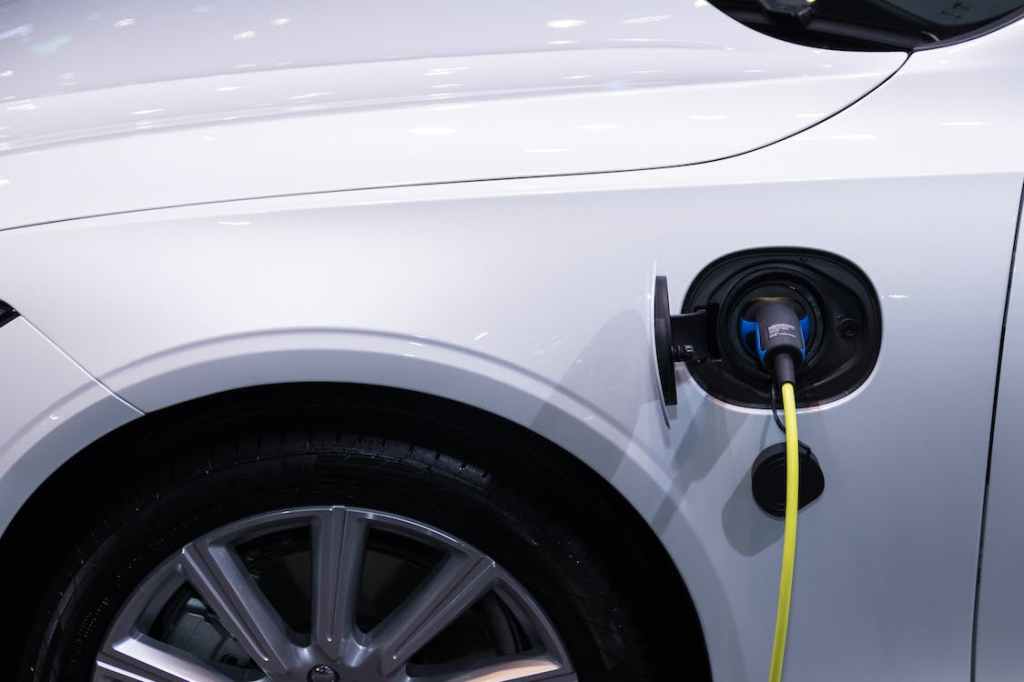
I always recommend doing a thorough maintenance check for your road trip vehicle before you hit the road. It’s even more important for an electric vehicle road trip. Make sure your car’s battery is in good shape and you’re running updated software. Also. keep your charging cables and adapters handy for compatibility at different stations.
4. Planning your charging stops
Regardless of the type of charging your EV has, it will take time to get your battery full, sometimes up to 8 hours. Also, some charging stations may be crowded or have limited availability during peak travel times. So, what can you do to make the most of this waiting time?
The easiest thing is to find charging stations that are close to the attractions you’d like to visit during your road trip. This way, you can set a timer or notifications for your charging vehicle and explore a nearby park, museum, nature walk, etc. You can also plan your trip to charge your EV overnight only. Of course, a charging station is not a parking spot. Consider who else is waiting for their turn, and remove your vehicle when it’s charged.
Include charging options as you plan your accommodations, too. Some hotels and restaurants also provide charging stations for their guests, which is a convenient way to juice up your EV battery while you enjoy a meal or rest after driving.
5. Overcoming range anxiety on an EV road trip
I understand that even with all these tips and tricks, it’s still a bit nerve-wracking to go on a long trip in an electric vehicle. Range anxiety keeps saying, “What if my battery runs out in the middle of nowhere?” There are roadside assistance services that cater to EVs, either provided by your vehicle manufacturer or through membership services. These services can jump-start dead EV batteries or tow you to the closest charging station or dealership. Keep these services on your emergency contact list and head out on your EV road trip with confidence.
Looking for road trip ideas? How about 100 to start you off? 100 Road Trips in the USA: An Alphabetical List of Scenic Drives, National Parks, Historic Monuments, and Incredible Attractions in America.
A cross-country road trip is the journey of a lifetime. You can go coast to coast, head north or south, east or west, or even loop through incredible destinations. This extraordinary adventure needs proper planning because you’ll be out on the road for a long time, and you want the best possible experience. Use this guide as a starting point to plan your cross-country road trip. Let’s dive in!
In this guide:
How to Choose the right cross-country vehicle
How to Map out your route
Best time for a cross-country road trip
Destinations on a cross-country road trip
Estimating the cross-country road trip distance
How to pack for a cross-country road trip
How to stay safe on a cross-country road trip
How to interact with the people you meet on a road trip
How to make the most of national parks
How to be flexible and adaptable during a cross-country road trip
Recommended reading
How to Choose the Right Cross-Country Vehicle
I wrote about road trip vehicles in this post, but some cars simply aren’t cut out for long-distance trips. For example, driving an electric vehicle across the country can be stressful because you have to find charging stations and estimate your driving range. Minivans and RVs are ideal for cross-country trips, but an SUV can work great if you’re traveling solo. A cross-country trip needs a roomy vehicle to fit your clothes, food, gear, etc., plus the best fuel efficiency and safety record on the road.
Tips:
Consider renting a road trip vehicle from a service that has a branch at your destination. This way, you can get a fresh set of wheels for the journey back home.
Have a roadside vehicle assistance service number before you set off, but also know how to do some car basics like changing tires, changing the oil, jumpstarting the battery, checking tire pressure, etc.
Get as many up-to-date safety features in your vehicle as possible, e.g., parking sensors, emergency braking, adaptive cruise control, lane assistance, etc.
Do a thorough maintenance check before you hit the road. Inspect the tires (including spares), lights, filters, and fluids (including the windshield washer).
Keep spares you wouldn’t think of having, e.g., fuses, bulbs, fan belts, tire patches, etc. Have some duct tape and zip ties handy to secure loose parts until you get to a service station.
How to Map Out Your Route
The perfect cross-country road trip route depends on three factors: the time of year, the destinations en route, and the average distance.
Best Time for a Cross-Country Road Trip
The winter months are usually the most difficult for long distance road trips because of road safety. If you’re looking for adventures during this time, consider taking day trips to enjoy local destinations or events.
Summertime is perfect for a cross-country trip, but it’s also high travel season. Expect to experience heavier traffic on the road and packed attractions, so book your tickets, passes, and accommodations in advance.
The spring and fall seasons work best for long distance road trips. The weather is crisp and the landscape changes color, which is spectacular to experience. Just prepare for rain and wind, and you’ll be alright.
Destinations on a Cross-Country Road Trip
National parks, beaches, iconic buildings, hidden getaways, must-try restaurants, annual festivals–you can explore them all during your road trip. Take your time when creating your itinerary. Do lots of research online from travel sites, social media groups, discussion forums, and your friends and family. And always leave room to venture off the itinerary and discover new places.
Estimating the Cross-Country Road Trip Distance
This means more than what your map app indicates. You may want to travel 1,000 miles, which means around 17 hours if you keep at a steady 60 mph. On the ground, though, there may be dozens of incredible destinations you want to explore; the weather might change and require an extra day to let it pass; you may have sections of rough road that slow you down.
The best approach is to decide how many miles or hours you’re comfortable driving at any given time. Maybe you can drive for two hours and take a break, or clock 200 miles at a time and then stop to stretch your legs. Try to find a good balance where you minimize fatigue and arrive at your destinations in good time. That thousand-mile trip may end up taking two weeks, so make it an adventure and enjoy every single day.
How to Pack for a Cross-Country Road Trip
This is where you need a packing checklist because you’ll be on the road for a considerable amount of time, so you want to have all the right items before you head out. You will need:
Toiletries (toilet paper, wet wipes, hand sanitizer, soap, sunscreen, etc.)
Medications
Personal documents (ID, insurance info, vehicle registration, emergency contacts, etc.)
First aid kit
Spare tire, jack, jumper cables
Smartphone plus mount, charger, power bank
Travel pillows
Flashlight or headlamp
Multitool or Swiss army knife
Camping and sports gear
Portable cooler
Etc
If your road trip vehicle can’t carry everything comfortably, there are a few things you can try. Consider packing cubes or vacuum-sealed bags for clothes. You can pack a lot more when these items are compressed. Get a handheld vacuum sealer and reusable bags for your trip. Also, budget for items you can buy or rent along the way to avoid carrying too much, e.g., perishable foodstuffs, camping gear, etc.
Your car is ready, you know your route, your itinerary looks good, and you’ve packed everything you need. Now comes the most important part of your cross-country road trip: your safety.
Of course, you should be mindful of traffic laws like speed limits, but always wear your seat belt and drive defensively. This is where the car safety features we mentioned previously will come in handy. Let your car help you respond to what’s immediately around you, like other drivers, potholes, or debris, so you can look out for other potential hazards like pedestrians, cyclists, weather changes, wildlife, etc.
You also want to minimize distractions from your smartphone, so keep notifications on mute and only respond during pit stops. It’s helpful to have a separate navigation device instead of using your smartphone’s map app.
Remember, eating can also be a distraction. Snacks like popcorn or chips can get messy, and you don’t want to take your eyes off the road to chase a few stray pieces. If you must eat while you drive, have some fruit or a sandwich.
Last but certainly not least, drive sober. Alcohol is a big NO behind the wheel, but keep away from any substances that may affect your concentration while you drive. This includes medications that make you drowsy. You will get tired while you drive, so instead of downing another energy drink or popping a pill to stay alert, pull over somewhere safe and take a nap instead.
How to Interact With the People You Meet on a Road Trip
The general rules of etiquette apply to a cross-country road trip: treat everyone you meet with respect, be polite and thoughtful with your communication, and my personal favorite, do a good action.
You may want to brush up on your conversation skills, though, especially if you’re not a fan of small talk. Find a friendly way to ask for directions or recommendations, strike up conversations during rest stops, etc. Trust your intuition as well, because you may encounter some unscrupulous individuals during your adventure.
Read up on the traditions and customs around your destinations, like table manners when dining locally, how to dress and behave at sacred sites, and asking for permission before taking photographs or videos. If you’re uncertain about anything, just ask. It shows respect and politeness, and most people will respond positively and help you out. And who knows, you may make a friend for life on your road trip. Keep an open mind.
How to Make the Most of National Parks
I believe you can’t have a cross-country road trip without visiting national parks. It’s not just the wildlife and nature that’s attractive, it’s supporting conservation efforts and making a small but positive difference in our environment. That said, you usually can’t just walk into a national park without a plan. Why?
Entrance fees: Most, if not all, national parks charge a fee at the gate. Find out if you need reservations, permits, or passes for some restricted areas.
Park regulations: All parks have rules for visitors to follow, e.g., staying on designated trails, never feeding the wildlife, no littering, keeping pets on a leash, etc.
Activity difficulty levels: National park activities are usually either easy, moderate, or difficult. Nature walks and scenic drives are easy, while longer hikes may require better fitness levels. Difficult activities require experience and expertise, e.g., mountaineering, backcountry backpacking, and whitewater rafting.
Fire safety rules: National parks have specific rules about camp fires, including having designated fire rings, restricting wood and coal fires (you’ll need a gas burner), and zero fires at all during dry seasons. Breaking these rules attracts a hefty fine, so prepare appropriately for your cooking and heating needs while camping.
Waste disposal: The Leave No Trace principles apply to all national parks, particularly regarding trash. Pick up after yourself if you’re camping, and carry wrappers and other waste with you until you find an appropriate bin if you’re out hiking. Learn how to dig a cat hole in case you need to do a Number Two and you’re away from a toilet.
How to Be Flexible and Adaptable During a Cross-Country Road Trip
Being flexible and adaptable on a road trip means two things: keeping your cool during emergencies and being ready for a change of plans. It definitely helps to have enough cash on hand and some kind of travel insurance to cover your journey. But what happens when a road is closed for maintenance, or the weather changes suddenly, or you want to stay longer at a hidden gem?
Manage your expectations: No cross-country road trip ever follows the itinerary to the letter. None. Don’t expect everything to go exactly as planned; keep a more balanced mindset and appreciate the journey.
Be resourceful: You’re going to have to be creative when you’re out on the road. You may need to find indoor activities when the weather changes, come up with temporary fixes for your car, or even communicate nonverbally to get help if there’s a language barrier and your phone is dead (no translation apps).
Let the journey unfold: Treat everything that happens on your cross-country road trip as a learning opportunity or a great story to tell. Decide to have a great time out there and make new friends and memories. Best of all, learn more about who you are and discover what makes you happy. Have a great road trip!
Looking for road trip ideas? How about 100 to start you off? 100 Road Trips in the USA: An Alphabetical List of Scenic Drives, National Parks, Historic Monuments, and Incredible Attractions in America.
Sustainable travel is gaining momentum, not only for air travel but road trips, too. Many of us want to experience the joys of the open road but worry about how it impacts our environment. It’s safe to say that you can still love road trips with the smallest possible carbon footprint. So today we’ll look at some road trip essentials for an enjoyable, eco-friendly journey.
Sustainable Road Trip Vehicle Tips
Make fuel efficiency a priority when you select your road trip vehicle. Hybrid and electric cars are your ideal choices, but you can also choose a model that’s known for low fuel consumption.
Keep your car in good shape before, during, and after your road trip. A well-maintained car will use less fuel and have less need for spares and replacements. You can keep the same car for decades instead of buying newer models frequently, unless you’re upgrading to higher efficiency, better safety, and lower maintenance.
Use eco-friendly motor oils that are biodegradable and meet industry standards. An environmentally acceptable lubricant (EAL) should contain at least 90% biodegradable substances for oils and 75% for grease.
If possible, use alternative fuels for your road trip vehicle, e.g., biodiesel, ethanol, or hydrogen. First, check if your engine is compatible with these alternative fuels, and if it is, look for gas stations with alternative options as you plan your trip.
Share your ride if you’re heading for popular destinations. Join a carpooling platform like sRide or BlaBlaCar and offer rides along the way. If you do this right, you can meet incredible people on your road trip and do your part to reduce the number of cars and emissions on the road.
Sustainable Road Trip Planning Tips
Choose the most efficient road trip route possible. Go for destinations that are closer to each other, so you’ll drive less and spend more time enjoying each location.
For longer road trips, opt to stay at eco-lodges or green hotels that use renewable energy, recycled products, sustainable waste management, etc.
Travel with reusable shopping bags to avoid plastic bags when you top up supplies or buy souvenirs during your road trip.
Use biodegradable toiletries like wet wipes, soaps, toothpaste, and toilet paper. This way, you know your products won’t harm the environment whenever you dispose of them.
Choose to buy locally made souvenirs instead of imported ones. Supporting local artisans and craftspeople means improving their livelihoods and cutting emissions from the importing process.
Travel slowly and spend enough time at each destination. Packing your itinerary with activities over a short time means you’ll be rushing through places, driving more, and using more fuel.
Sustainable Road Trip Food Tips
Reusable water bottles are a must-have for a road trip, especially if you’re planning to go camping or hiking. Refill it at rest stops, convenience stores, gas stations, or water fountains at different attractions.
Also, travel with a portable water filter in case you need to draw water from a river or a lake, but more for your peace of mind when refilling your water supply. There are lots of options available, from manual hand-pump filters to rechargeable models.
Carry reusable utensils and food containers for snacks and leftovers when you stop at diners and restaurants. This is a great way to avoid using disposable or single-use food items. Just remember to keep them clean and pack them safely away after use.
Make sure all your containers (water bottles, coffee mugs, Tupperware) are leak-proof to minimize waste.
Buy food from local farm-to-table restaurants or farmers’ markets. It helps to support mom-and-pop businesses and reduce your carbon footprint–you reduce emissions from food transportation when you get your food locally as you travel.
Sustainable Adventure Tips
Always dispose of your road trip waste items like food wrappers, fruit peels, empty bottles, cigarette butts, etc., at designated trash bins or recycling facilities. Don’t toss these items out the window as you drive. Pack them properly in a waste bag and keep them until you find a bin.
If you’re exploring a national park or campsite, keep to the designated areas. Straying from these places can risk disrupting a fragile ecosystem or disturbing the animals that live there.
Don’t feed any wildlife you encounter on your road trip. It’s risky to lure animals with food because they could harm you, but the food itself can harm them too.
Follow the Leave No Trace principles at every destination on your road trip. Pick up after yourself when you stop for a picnic, keep your road trip entertainment at a respectable volume, and leave every destination better than you found it.
Volunteer for conservation initiatives if you find them on your journey, e.g., beach cleanups, habitat restorations, wildlife monitoring, etc. Leave some room in your itinerary to participate in these activities.
Immerse yourself in the cultures you find on your road trip through workshops, festivals, or other activities. You’ll learn about the impact of climate change on these communities from a new perspective.
After Your Journey
If you’ve saved some money from your road trip, consider donating it to a carbon offset program that invests in green energy and conservation.
Calculate your road trip’s carbon footprint and buy carbon credits to offset your impact. Use an online carbon footprint calculator to see your estimated vehicle emissions, then select your offset options, e.g., tree planting initiatives, reforestation, or other initiatives that remove carbon from the atmosphere.
Find local renewable energy initiatives that create a greener community, and volunteer your time and knowledge when you return home from your road trip.
Looking for road trip ideas? How about 100 to start you off? 100 Road Trips in the USA: An Alphabetical List of Scenic Drives, National Parks, Historic Monuments, and Incredible Attractions in America.
A road trip is different from your everyday commute, and not just because of the distance. You need greater levels of comfort, fuel efficiency, and safety to really enjoy your road trip. So, does your car make the cut, or should you consider renting a vehicle for your big adventure? Ask yourself these questions to discover your best road trip vehicle.
1. What are your essential road trip needs?
The size and type of road trip vehicle depend on:
Passengers: How many people are going on the road trip? Of course, the greater the number, the larger the vehicle. You don’t want to be cramped together for an extended drive—the road trip will become unbearable pretty fast.
Cargo space: What do you plan to carry for the road trip? Think of camping gear, clothing, sporting equipment, road trip snacks, plus the souvenirs you’ll pick up on the way.
Distance and duration: How far do you plan to drive for your road trip? A smaller vehicle is ideal for a short day trip, while a larger, more spacious vehicle works great for long drives.
2. Which type of vehicle do you prefer?
Once you figure out the factors above, it’s time to weigh the pros and cons of your preferred vehicle.
A compact car is perfect for a solo road trip or with one partner. But it can get uncomfortable on a long journey, and may not have enough cargo space for large equipment.
A sedan is great for small families or friends on the road, or for solo or couple road trips with extra gear.
An SUV works for off-road adventures because of the all-wheel drive option and high ground clearance. But it may not be as fuel efficient or maneuverable in certain conditions.
A minivan is perfect for group travel, plus the sliding doors are convenient if you plan to make many stops on the road trip. You can also fit plenty of gear and even sleep in it if you need to.
An RV or campervan is the classic road trip vehicle, especially for extended trips. But the more amenities in the vehicle, the more it costs to rent it for a journey.
3. What’s your vehicle’s fuel efficiency?
You want to maximize the distance you can travel per gallon and minimize your environmental impact. Fuel efficiency is also important for your road trip because you may have limited refueling options on long-distance trips. Good fuel efficiency means you can drive farther and make it to the next pump. Verify your car’s MPG rating to optimize your fuel consumption.
Note: If you want to use a hybrid or electric vehicle for your road trip, prioritize charging stations in your road trip planner.
4. How comfortable is your vehicle?
If your current car meets the above criteria, ask yourself if you can bear driving it for long hours. Consider the legroom, adjustable seats, air conditioning, infotainment system, smartphone integration, etc. Your car becomes a second home on a road trip, so make sure you can live in it happily.
5. How safe is your vehicle?
When you’re out on the road, you want the peace of mind that comes from your car’s safety features. Things like your anti-lock braking (ABS) and automatic emergency braking (AEB), stability control system, and corrective steering features should be in top shape. Also, check your airbags and seatbelts work properly before you head out on your road trip.
6. How driveable is your vehicle?
Smaller cars maneuver better in urban areas and congested highways, while larger vehicles excel on rougher terrain. If you decide to rent a minivan or RV for your road trip, choose a few models and take them on a test drive to check the suspension, drivetrain options, and overall drivability.
7. How reliable is your vehicle?
Don’t take a road trip in a car that’s prone to breaking down easily or costs a fortune to repair. A road trip-worthy vehicle has a good reliability track record and known issues that are relatively easy to fix when you’re on your journey. The best thing to do is to go online and check the vehicle’s consumer reports and first-hand reviews before you make your choice. A routine maintenance should be enough to prepare the vehicle for your road trip and get you there and back safely.
Looking for road trip ideas? How about 100 to start you off? 100 Road Trips in the USA: An Alphabetical List of Scenic Drives, National Parks, Historic Monuments, and Incredible Attractions in America.



 100 Road Trips