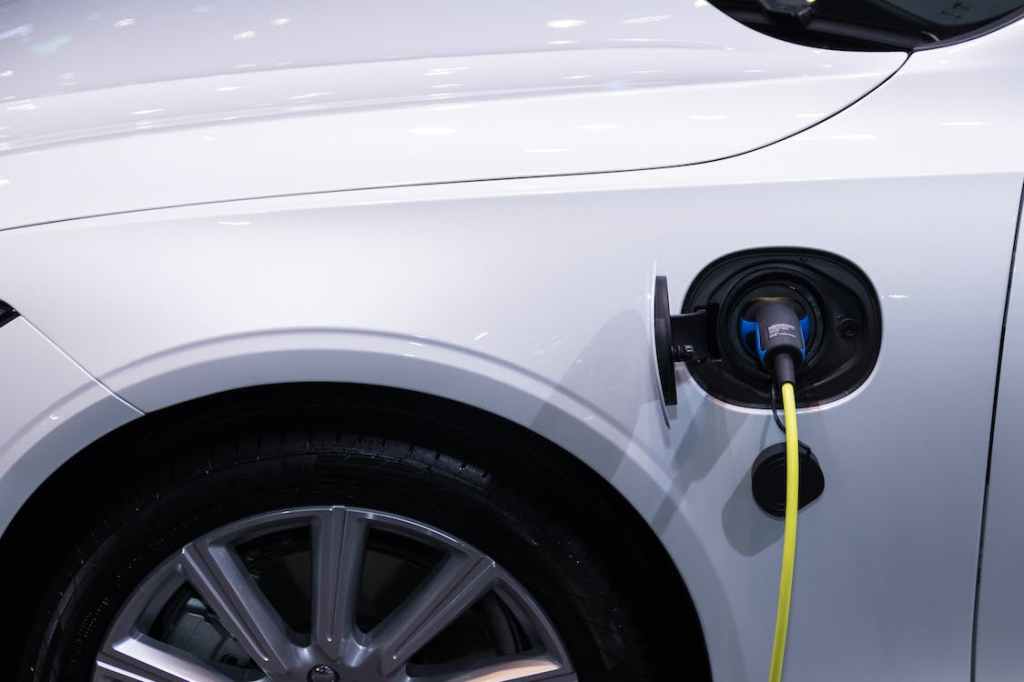
How to Plan a Road Trip with an Electric Car

Pexels

Electric vehicles (EVs) are here to stay. An EV is the greenest way to travel, especially for daily commutes to work or school. Can you go on a road trip with an electric car, though? The answer is yes. It takes a little extra planning, but it’s definitely doable. If you’re considering going on your next road trip in your EV, this guide highlights what you should know before you set off on your journey.

1.   What is your EV’s range?

The biggest concern about electric vehicle road trips is range, meaning how far the car can go without recharging. A Car and Driver report says that an EV typically goes just under half the distance of a gas-powered car before needing a recharge. That means finding a road trip route with twice as many charging stations as gas stations, or at least a charging station every 100 miles.

That said, find out all your EV’s range efficiency options, like regenerative braking,  eco-driving settings, managing climate control, and other tips and hacks from fellow EV drivers. These can help you get the maximum mileage for your road trip traveling farther between charging stations.

2.   How to find charging stations en route

If you have Google Maps built into your electric vehicle, you can easily search for charging stations  by charge type, charging speed, and payment methods. If not, try manually searching for charging stations on the Google Maps app, or try alternatives like Waze and Zap Map. These apps can help you plan the most efficient route and notify you about charging stations as you drive.

Note that charging stations vary by type (Level 1, 2, and DC fast charging), while others require specific memberships and payment options. Try to plan your EV road trip along reliable charging networks for your convenience.

3.   Preparing an electric vehicle for a road trip

I always recommend doing a thorough maintenance check for your road trip vehicle before you hit the road. It’s even more important for an electric vehicle road trip. Make sure your car’s battery is in good shape and you’re running updated software. Also. keep your charging cables and adapters handy for compatibility at different stations.

4.   Planning your charging stops

Regardless of the type of charging your EV has, it will take time to get your battery full, sometimes up to 8 hours. Also, some charging stations may be crowded or have limited availability during peak travel times. So, what can you do to make the most of this waiting time?

The easiest thing is to find charging stations that are close to the attractions you’d like to visit during your road trip. This way, you can set a timer or notifications for your charging vehicle and explore a nearby park, museum, nature walk, etc. You can also plan your trip to charge your EV overnight only. Of course, a charging station is not a parking spot. Consider who else is waiting for their turn, and remove your vehicle when it’s charged.

Include charging options as you plan your accommodations, too. Some hotels and restaurants also provide charging stations for their guests, which is a convenient way to juice up your EV battery while you enjoy a meal or rest after driving.

5.   Overcoming range anxiety on an EV road trip

I understand that even with all these tips and tricks, it’s still a bit nerve-wracking to go on a long trip in an electric vehicle. Range anxiety keeps saying, “What if my battery runs out in the middle of nowhere?” There are roadside assistance services that cater to EVs, either provided by your vehicle manufacturer or through membership services. These services can jump-start dead EV batteries or tow you to the closest charging station or dealership. Keep these services on your emergency contact list and head out on your EV road trip with confidence.


 Looking for road trip ideas? How about 100 to start you off? 100 Road Trips in the USA: An Alphabetical List of Scenic Drives, National Parks, Historic Monuments, and Incredible Attractions in America.

Out now: Order your copy today.

7 Questions to Ask When Choosing a Road Trip Vehicle

Pexels

A road trip is different from your everyday commute, and not just because of the distance. You need greater levels of comfort, fuel efficiency, and safety to really enjoy your road trip. So, does your car make the cut, or should you consider renting a vehicle for your big adventure? Ask yourself these questions to discover your best road trip vehicle.

1.   What are your essential road trip needs?

The size and type of road trip vehicle depend on:

  • Passengers: How many people are going on the road trip? Of course, the greater the number, the larger the vehicle. You don’t want to be cramped together for an extended drive—the road trip will become unbearable pretty fast. 
  • Cargo space: What do you plan to carry for the road trip? Think of camping gear, clothing, sporting equipment, road trip snacks, plus the souvenirs you’ll pick up on the way.
  • Distance and duration: How far do you plan to drive for your road trip? A smaller vehicle is ideal for a short day trip, while a larger, more spacious vehicle works great for long drives. 

2.   Which type of vehicle do you prefer?

Once you figure out the factors above, it’s time to weigh the pros and cons of your preferred vehicle.

  • A compact car is perfect for a solo road trip or with one partner. But it can get uncomfortable on a long journey, and may not have enough cargo space for large equipment.
  • A sedan is great for small families or friends on the road, or for solo or couple road trips with extra gear.
  • An SUV works for off-road adventures because of the all-wheel drive option and high ground clearance. But it may not be as fuel efficient or maneuverable in certain conditions.
  • A minivan is perfect for group travel, plus the sliding doors are convenient if you plan to make many stops on the road trip. You can also fit plenty of gear and even sleep in it if you need to.
  • An RV or campervan is the classic road trip vehicle, especially for extended trips. But the more amenities in the vehicle, the more it costs to rent it for a journey.

3.   What’s your vehicle’s fuel efficiency?

You want to maximize the distance you can travel per gallon and minimize your environmental impact. Fuel efficiency is also important for your road trip because you may have limited refueling options on long-distance trips. Good fuel efficiency means you can drive farther and make it to the next pump. Verify your car’s MPG rating to optimize your fuel consumption.

Note: If you want to use a hybrid or electric vehicle for your road trip, prioritize charging stations in your road trip planner.

4.   How comfortable is your vehicle?

If your current car meets the above criteria, ask yourself if you can bear driving it for long hours. Consider the legroom, adjustable seats, air conditioning, infotainment system, smartphone integration, etc. Your car becomes a second home on a road trip, so make sure you can live in it happily.

5.   How safe is your vehicle?

When you’re out on the road, you want the peace of mind that comes from your car’s safety features. Things like your anti-lock braking (ABS) and automatic emergency braking (AEB), stability control system, and corrective steering features should be in top shape. Also, check your airbags and seatbelts work properly before you head out on your road trip.

6.   How driveable is your vehicle?

Smaller cars maneuver better in urban areas and congested highways, while larger vehicles excel on rougher terrain. If you decide to rent a minivan or RV for your road trip, choose a few models and take them on a test drive to check the suspension, drivetrain options, and overall drivability.

7.   How reliable is your vehicle?

Don’t take a road trip in a car that’s prone to breaking down easily or costs a fortune to repair. A road trip-worthy vehicle has a good reliability track record and known issues that are relatively easy to fix when you’re on your journey. The best thing to do is to go online and check the vehicle’s consumer reports and first-hand reviews before you make your choice. A routine maintenance should be enough to prepare the vehicle for your road trip and get you there and back safely.


Looking for road trip ideas? How about 100 to start you off? 100 Road Trips in the USA: An Alphabetical List of Scenic Drives, National Parks, Historic Monuments, and Incredible Attractions in America.

Out now: Order your copy today.