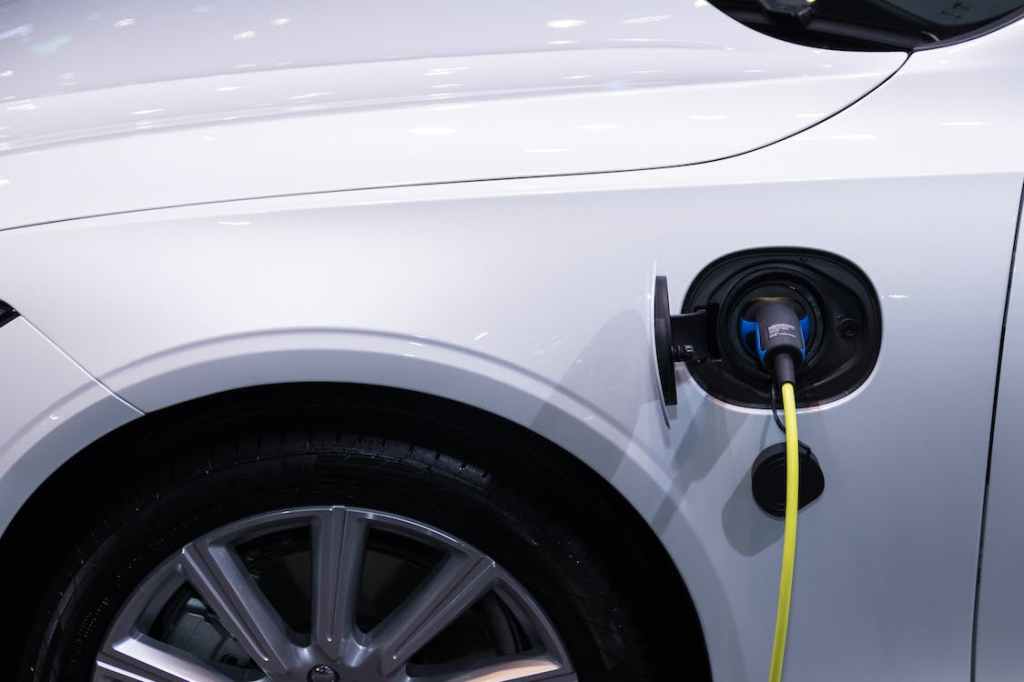
How to Plan a Road Trip with an Electric Car

Pexels

Electric vehicles (EVs) are here to stay. An EV is the greenest way to travel, especially for daily commutes to work or school. Can you go on a road trip with an electric car, though? The answer is yes. It takes a little extra planning, but it’s definitely doable. If you’re considering going on your next road trip in your EV, this guide highlights what you should know before you set off on your journey.

1.   What is your EV’s range?

The biggest concern about electric vehicle road trips is range, meaning how far the car can go without recharging. A Car and Driver report says that an EV typically goes just under half the distance of a gas-powered car before needing a recharge. That means finding a road trip route with twice as many charging stations as gas stations, or at least a charging station every 100 miles.

That said, find out all your EV’s range efficiency options, like regenerative braking,  eco-driving settings, managing climate control, and other tips and hacks from fellow EV drivers. These can help you get the maximum mileage for your road trip traveling farther between charging stations.

2.   How to find charging stations en route

If you have Google Maps built into your electric vehicle, you can easily search for charging stations  by charge type, charging speed, and payment methods. If not, try manually searching for charging stations on the Google Maps app, or try alternatives like Waze and Zap Map. These apps can help you plan the most efficient route and notify you about charging stations as you drive.

Note that charging stations vary by type (Level 1, 2, and DC fast charging), while others require specific memberships and payment options. Try to plan your EV road trip along reliable charging networks for your convenience.

3.   Preparing an electric vehicle for a road trip

I always recommend doing a thorough maintenance check for your road trip vehicle before you hit the road. It’s even more important for an electric vehicle road trip. Make sure your car’s battery is in good shape and you’re running updated software. Also. keep your charging cables and adapters handy for compatibility at different stations.

4.   Planning your charging stops

Regardless of the type of charging your EV has, it will take time to get your battery full, sometimes up to 8 hours. Also, some charging stations may be crowded or have limited availability during peak travel times. So, what can you do to make the most of this waiting time?

The easiest thing is to find charging stations that are close to the attractions you’d like to visit during your road trip. This way, you can set a timer or notifications for your charging vehicle and explore a nearby park, museum, nature walk, etc. You can also plan your trip to charge your EV overnight only. Of course, a charging station is not a parking spot. Consider who else is waiting for their turn, and remove your vehicle when it’s charged.

Include charging options as you plan your accommodations, too. Some hotels and restaurants also provide charging stations for their guests, which is a convenient way to juice up your EV battery while you enjoy a meal or rest after driving.

5.   Overcoming range anxiety on an EV road trip

I understand that even with all these tips and tricks, it’s still a bit nerve-wracking to go on a long trip in an electric vehicle. Range anxiety keeps saying, “What if my battery runs out in the middle of nowhere?” There are roadside assistance services that cater to EVs, either provided by your vehicle manufacturer or through membership services. These services can jump-start dead EV batteries or tow you to the closest charging station or dealership. Keep these services on your emergency contact list and head out on your EV road trip with confidence.


 Looking for road trip ideas? How about 100 to start you off? 100 Road Trips in the USA: An Alphabetical List of Scenic Drives, National Parks, Historic Monuments, and Incredible Attractions in America.

Out now: Order your copy today.


6 Road Trip Tips When Traveling with Children

Pexels

A road trip is a wonderful opportunity for parents to bond with their children, no matter their age. However, the younger the kids, the more preparation you need to have an enjoyable journey. Here are some road trip tips if you’re traveling with children under the age of 12.

1.   Plan some age-appropriate, engaging activities

Younger kids who need car seats can get restless and bored quickly on a road trip. So, keep their toys and games within reach and engage them with conversation. Coloring books are also great for road trips, but keep the crayons and colored pencils in a Tupperware container to keep them neatly. Same with Play-Doh, Legos, and other types of toys with small parts–a plastic container for these items will be a lifesaver on a road trip.

For older kids, pack their favorite comic books, puzzles, dolls, action figures, and other favorites to keep them occupied. Try to break up their screen time with hands-on activities with fun road trip games like I Spy or trivia.

2.   Pack enough healthy snacks and drinks

Don’t let your kids get hangry on your road trip. Otherwise, they’ll need more stops and distract you while you drive. Pack snacks like fruits, vegetables, trail mix, and finger foods in portioned containers, plus more than enough water and juice to keep them hydrated. Save the candy for extra-special treats.

3.   Choose age-appropriate destinations and attractions

A road trip with kids under 12 will have lots of rest stops, not just for bathroom breaks but to just let them run around and explore. Children have shorter attention spans, so a long stretch of road will quickly get boring. Pace your journey accordingly in terms of distance, driving time, fuel consumption, and attractions. Plan to stop at parks, museums, amusement centers, zoos, aquariums, beaches, lakes, science centers, etc., depending on your kids’ age and interests.

4.   Consider your safety from all angles

Child safety on a road trip means more than car seats and seatbelts. It’s about checking the weather conditions before you head out and making sure you and your kids are dressed appropriately. It also means having a fully stocked first aid kit and emergency contacts for clinics and hospitals along the way. Share your travel plans with your loved ones and check in with them regularly while you’re on the road. Drive defensively, even if your road trip vehicle has the latest safety features.

5.   Be prepared for motion sickness

Extended road trips can trigger motion sickness in children, making them nauseated, dizzy, tired, or drowsy. It’s usually caused by a sensory mismatch, meaning your body registers motion but your eyes don’t. Winding roads or sudden stops and starts while you drive can feel uncomfortable for your children. You can reduce the chances of motion sickness for your kids by:

  • Using a booster seat to allow your child to see out the window and look at the horizon. Have some travel pillows on hand to make sitting more comfortable.
  • Avoiding heavy meals before and during the road trip. Light snacks can minimize the chances of vomiting from motion sickness.
  • Keeping the windows open to allow fresh air to flow through the vehicle. If not, keep the air conditioning in the vehicle cool and constant.
  • Avoiding screen time and encouraging your kids to look outside or play some active games.
  • Taking regular breaks every couple of hours to alleviate any motion sickness symptoms.

6.   Celebrate milestones big and small

When you have kids on a road trip, your milestones go beyond reaching your destination. Reward your kids when they spot something interesting on the journey, finish their snacks, or put away their toys neatly. Appreciate them when they win their road trip games or look out for each other as they explore attractions. Recognize them when they take great photos during the trip or have a super fun singalong. This is what makes the road trip fun and keeps you motivated, especially during an extended journey.


Looking for road trip ideas? How about 100 to start you off? 100 Road Trips in the USA: An Alphabetical List of Scenic Drives, National Parks, Historic Monuments, and Incredible Attractions in America.

Out now: Order your copy today.

How to Prepare for a Family Road Trip

Pexels

We’ve all seen the movies where a family packs up and hits the road, and the ensuing drama is what makes it fun to watch. But the reality is that a family road trip takes a lot more planning if you want it to go smoothly. So, this guide covers the road trip essentials to help you travel with your loved ones, no matter your family’s configuration. These tips will work if it’s just you and your child, you and your parents, partners with toddlers or teenagers, you name it.

1.   Choosing your route and destinations

Research everything you can about your journey, from the most efficient route to attractions that engage all ages. It’s best to make this process a family thing, so ask everyone what they’d like to see on the road trip. While you might not make everyone 100% happy at this step, explore alternatives and compromises based on:

  • The distance you need to drive
  • The time you can realistically spend on the journey
  • Opening hours and admission fees for certain destinations
  • Events you can or can’t afford to miss.

Let everyone contribute to planning your road trip itinerary. It’s more fun that way, and you may discover really great ideas for adventures and experiences than if you planned the trip alone.

2.   Budgeting for a family road trip

The secret to a family road trip budget is prioritizing. The non-negotiable expenses on a road trip include food, fuel, and accommodation. Find out how to save money by traveling off-season, finding affordable dining options, and finding family discounts for hotels or campsites.

When it comes to attractions, consider buying group passes for visiting parks, museums, or other destinations. If an attraction is too far from your main route, it will cost more time and fuel. Prioritize the locations that are most convenient and enjoy them fully instead of rushing through destinations.

Souvenirs can take up the least portion of your family road trip budget. You want to buy fewer non-essential items, which can add extra luggage for the journey. Instead, take photos and videos at your destination as timeless keepsakes to share with your friends. These cost nothing but some storage space on your camera or phone. Print out your favorites after the road trip for your work desk or as wall hangings.

Finally, define the terms for your road trip contingency money. This amount should only be used for emergency car repairs, health emergencies, replacing lost or broken items, or finding alternative transportation or accommodation if the weather changes. 

3.   Preparing your road trip vehicle

Apart from servicing your family vehicle before your trip, there are a few other preparations you may need to make to keep everyone safe and comfortable on your journey:

  • Leg room: Make sure your car seats are easily adjustable to accommodate a diverse group. It will help you decide who sits where, so that taller or elderly people don’t feel cramped or kids don’t have too much space to play around and distract you while you drive.
  • Safety features: With your loved ones in the car with you, make sure you have more safety features than you think you’ll need. Check that your seatbelts, airbags, ABS, driver assistance, emergency brakes, etc. are in top shape before you travel. 
  • Accessibility: Something as simple as sunshades can make a huge difference for a family on a road trip, especially for kids and the elderly, who may not enjoy direct sunlight in the car. Ensure your car has wide-enough doors and a low step-in height, too.
  • Climate control: Heating, cooling, and ventilation are the essential features you need for an enjoyable family road trip. These keep you and your passengers at a comfortable temperature in the vehicle regardless of the weather outside, meaning you can travel any time of the year.
  • Device charging ports: Expect almost everyone on a family road trip to have a gadget of some kind that will need charging, e.g., smartphones, cameras, tablets, gaming devices, etc. Get a portable USB outlet that fits into your cigarette lighter to charge multiple devices conveniently. 

4.   Packing for a family road trip

A family road trip packing list needs four main things: an emergency supplies kit, personal items, entertainment, and snacks.

Your emergency supplies should include a full first aid kit, flashlights, jumper cables, a spare tire, and anything that would come in handy in case of a medical or vehicle problem. The idea is to have what you need to get you back on the road and to the closest health facility while you’re on the journey.

Personal supplies include everyone’s clothes and toiletries for the trip. This means having everyone’s belongings packed separately to avoid confusion and inconvenience.

If you’re traveling with young kids or teens, road trip entertainment becomes a priority. Those long stretches of empty road can make them restless and cranky, meaning they’ll distract you while you’re driving. So, make sure everyone has their favorite toys, books, and gadgets for the trip. Consider playing a few road trip games as well to engage their interests.

Also, pack a good variety of road trip snacks to keep your family happy during the trip. Fill a cooler with precut fruits and veggies, fruit juices, plus energy drinks and candy for when you really need a boost. Give everyone a reusable water bottle instead of buying bottled water for the trip. Pack sandwiches or other bite-sized meals to enjoy at pit stops.

5.   Accommodation for a family road trip

There are plenty of family-friendly accommodations for road trip travelers, from hotels to campsites with kitchenettes and playgrounds. Choose places that are close to the attractions you want to visit and have all the amenities you need at your convenience. Read guest reviews about each type of accommodation and book it in advance.

Keep in mind, however, that your family members may each have their own privacy needs. This may prove challenging for your budget if you need to book separate rooms for everyone or rent a spacious RV for the road trip. Figure out how best to share spaces with as little friction as possible. 

6.   Distributing tasks for a family road trip

Get everyone to participate in the family road trip depending on their age, interests, and abilities. For example, assign tasks like preparing snacks, creating music playlists, using navigation apps, etc., so that whoever is behind the wheel can concentrate on driving. You can also choose a designated photographer to capture the experience as a family.

Let everyone participate in tidying up the vehicle or organizing their belongings as you leave your accommodations. For extra motivation, consider creating a reward system like stars or points for whoever does their tasks the best. Whoever scores highest gets special privileges like choosing the next playlist or activities at the next rest stop.

7.   Resolving conflicts during a family road trip 

Families are bound to get into some disagreements on a road trip. You could have different preferences for destinations, activities, privacy, entertainment, food, rest stops—the list goes on. But that doesn’t mean that a family road trip is a disaster waiting to happen. Keep these tips in mind as you plan your journey:

  • Try to find common ground where everyone’s needs are met.
  • If there’s no common ground, find a middle ground by compromising and making concessions.
  • Set expectations clearly before you start the journey in terms of how to communicate and behave with respect.
  • Keep your sense of humor. It will help to diffuse tensions and keep a positive outlook.
  • Involve everyone in important decisions and take each person’s opinion into account.
  • Be flexible and open to unexpected situations on your journey.

 Looking for road trip ideas? How about 100 to start you off? 100 Road Trips in the USA: An Alphabetical List of Scenic Drives, National Parks, Historic Monuments, and Incredible Attractions in America.

Out now: Order your copy today.

10 Money-Saving Tips For Road Trips

Pexels

Finances play a big part in how much you enjoy a road trip. Expenses can rack up quickly, from refueling to snacks to car repairs to emergencies. So, how do you plan a budget road trip without breaking the bank? Try these road trip savings tips that have helped me on my journeys.

1.   Choose an affordable road trip route

Not all roads are created equal. Some have tolls, others have potholes, and others still have ongoing construction or maintenance work. All these factors affect your road trip savings, so do your research and find the most cost-effective route. Learn about your main route as well as detours or alternative roads that still lead you to your final destination. You may make some road trip savings this way.

2.   Estimate your fuel consumption

There are a few steps to follow when calculating your fuel consumption for a road trip. First, know your car’s fuel efficiency rating, which estimates your miles per gallon (MPG). You can find this online or in your owner’s manual. Then, check the road trip’s estimated distance on a map app or navigation system. Divide your MPG by the distance to see how much fuel you’ll need.

Of course, your actual fuel consumption will depend on other factors too, like if there’s heavy traffic enroute, or if you’re driving uphill or downhill, speeding or idling. Budget for a few extra gallons of fuel to accommodate these driving conditions.

3.   Pack only what you need

In my experience, there are two main kinds of road-trippers: the carry-everything-in-case-you’ll-need-it traveler, and the get-what-you-need-on-the-way traveler. Both styles of travel can actually negatively impact your road trip budget. If you carry more than you need, the extra weight drives up your fuel consumption. And if you plan to buy items on the road, price differences and impulse buys will hit your budget.

The best way is to pack wisely: start with a road trip packing list so you won’t forget anything important, and go for versatile clothes that work in most weather conditions. Use a vacuum sealer to pack your items down to make more space in your suitcase or backpack. Load the heaviest items at the bottom of the trunk and as close to the center of your car as possible to distribute weight. Avoid packing items on the car roof; this can increase wind resistance, making your vehicle work harder and use more fuel.

4.   Consider different accommodations by price

Camping is probably the cheapest accommodation for a road trip, but it comes with a higher initial cost for camping gear. You can borrow gear from friends or look for rentals near your destination.

RV parks are also pocket-friendly, especially during shoulder seasons. Prices generally depend on your vehicle type and the amenities available on the site. If you prefer a motel or hotel, you can find deals if you book well in advance and during low-peak travel seasons.

5.   Plan your road trip meals

Other than fuel, another quick way to drain your road trip budget is to spend too much on food. I’ve shared some ideas for healthy road trip snacks that need very little prep work. For example, you can just peel and portion fresh fruit and veggies, portion some sandwiches, and save the candy for when you need an energy boost.

You can also save plenty on your food budget by topping up your supplies at local grocery stores and farmers markets. Even better, carry a portable stove with you to prepare your meals on the road. Then, find local eateries and food trucks to enjoy authentic dishes worth every penny.

6.   Go for free and low-cost attractions and entertainments

National parks, cultural sites, and museums often charge entry fees, so add these to your road trip budget. However, you can also look out for events and hangouts with free admission or ask locals to guide you to beaches, hiking trails, or other adventures that you can enjoy for free. Remember to account for parking fees when you plan your road trip activities.

7.   Budget for contingencies, too

When you set money aside for emergencies like car repairs or medical issues, you’ll have so much peace of mind when you head out onyour road trip. It means that whatever happens, you have some backup to help you recover and get back on the road. The rule of thumb is to have 10% of your total road trip budget for emergencies, but increase it to 15% or 20% if you’re going off-road or expect challenges on the way.

8.   Travel with friends

A solo road trip can cost more than if you’re traveling with a friend and sharing expenses. You can split the cost of fuel, food, and accommodation, so you’re only left with individual expenses like souvenirs and treats. Also, you can take advantage of group tours and discounts for activities like hiking, wine tastings, hot air balloon rides, etc. The challenge, however, is finding travel partners with similar interests and communication styles. I’ll write a post about how to find your ideal road trip partner, so watch this space!

9.   Use travel apps for savings

Lots of travel apps are available to help you save money on a road trip, e.g., Splitwise for group travel, PocketGuard to figure out your disposable income, and Tripcoin which works offline, so you can keep track of your road trip budget if you’re heading to remote areas. There’s also GasBuddy to save money at the pump, HotelTonight for quick bookings, and Klook for the best-priced activities and attractions on your journey.

10. Flexibility can save you money

Keep an open mind when planning your road trip: consider changing the dates to off-peak seasons, changing routes and destinations, or even opting for a different vehicle, e.g., a motorcycle instead of a car. If you’re willing to explore alternatives, you can find more affordable activities and destinations that save you money in the end.


Looking for road trip ideas? How about 100 to start you off? 100 Road Trips in the USA: An Alphabetical List of Scenic Drives, National Parks, Historic Monuments, and Incredible Attractions in America.

Out now: Order your copy today.

Solo Road Trips: A Beginner’s Guide 

Pexels

A solo road trip is many things: transformative, exhilarating, an opportunity for self-discovery. It’s also intimidating, daunting, and downright scary if it’s your first ever road trip. With enough preparation and awareness, your first solo road trip can be the beginning of many more adventures. This guide covers road trip essentials for solo travelers to help you plan your journey. 

1.      Choose your ideal destination 

I wrote about choosing a road trip destination in general terms, but it’s even more important when you’re traveling solo. Pick a road trip destination that you’re curious about, or offers an experience that’s worth the drive. That could be a type of landscape or a historical site, or even an annual event or festival you’ve always wanted to attend. Research the weather and road conditions, travel advisories, and other accessibility info to minimize travel risks while you journey alone. 

2.      Decide your itinerary style 

Since you’re traveling solo, you can have a loose, flexible itinerary or a detailed outline that you’ll follow to the letter. It depends on your personality and the time available for the road trip. For example, you can opt to be spontaneous about the number and duration of stops on the drive and have a relaxed journey. Or you could work through a bucket list of attractions that you don’t want to miss. Your solo road trip itinerary should represent you and your interests—there’s no one-size-fits-all here. That said, 

3.      Be spontaneous 

A solo road trip gives you complete freedom, so you can easily take detours or linger in charming places for as long as you please. Even with an itinerary, give yourself some breathing room to enjoy a more organic journey.  

4.      Get a comprehensive vehicle check-up 

You want your car in the best possible shape for your solo road trip, so schedule a thorough maintenance inspection at least a week before D-day. Get all the basic vehicle emergency tools while you’re at it: spare tires, jumper cables, a flashlight, a jack, a wrench, etc. Save the necessary roadside assistance or towing service numbers, too. It’s best to be prepared for unforeseen circumstances to help you get back on the road as quickly as possible. 

5.      Keep a personal emergency kit with you

Just as you prepare your car for repairs, equip your personal safety as well. Ensure your first-aid kit is well stocked with bandages and band-aids, pain killers, antiseptic cream, antibacterial wipes, scissors, etc. Also, refill any prescription medications before you head out on the road, and note the hospitals or clinics along your route. 

6.      Share your solo road trip plans 

Inform your close friends and family members that you’re going on a solo trip. Give them your itinerary, accommodation info, and other details. This is purely for your safety and peace of mind; your loved ones will know where to reach you, and if not, at least someone knows your whereabouts. You can check in with them during your journey to share your progress, too. 

7.      Stay alert, but avoid distractions

You’ll feel tired and drowsy when you’re driving alone. The opposite is also true: you may be alert because of all the notifications pinging on your phone. These two factors are the biggest causes of accidents and incidents on our roads. What can you do to avoid them on your solo road trip? 

  • Vary your playlist: One genre or one tempo can become monotonous, so mix up your road trip tracks. It’s the perfect chance to listen to new artists or go down memory lane. Also, save the songs offline in case you lose connectivity as you drive. 
  • Stop regularly to stretch your legs or take a power nap whenever you need it. Pull over in a safe place and do what re-energizes you. 
  • Drive defensively: Watch out for road signs, other drivers, pedestrians, and wildlife along the way. If you must answer your phone, use your car’s Bluetooth system or put the call on speakerphone. Otherwise, only reply to texts and notifications when you’ve pulled over. 

8.      Wear comfortable clothes 

Weather conditions constantly change on the road, from cool mornings to hot afternoons to sudden storms. Of course, check for weather updates before you start your road trip, but more importantly, dress comfortably for the journey. If you expect weather changes, wear layers that you can easily take off and on again. If you’re driving in the summertime, choose breathable, moisture-wicking fabrics that can handle sweat and cool you down. Pack a good variety of lightweight and heavy clothing items to be on the safe side. 

9.      Know your accommodation options 

Carrying a sleeping bag on your solo road trip is good travel sense, even if you don’t plan to use it. But if you’ll be camping or hiking, get all your outdoor gear ready before you start the journey. For indoor accommodations, book a hotel, motel, cabin, or Airbnb in advance. In either case, choose accommodations with all the amenities you need, including WiFi, safe parking, charging stations, laundry, waste disposal, etc. 

10. Practice travel etiquette 

This means dressing decently, respecting the local residents, engaging in polite conversations, and leaving a place as you found it or better, whether that’s a campsite, parking lot, hotel room, etc. Even if your solo road trip is within your state or country, each location has its own personality and culture. Familiarize yourself with these areas ahead of your trip to avoid causing unnecessary offense.

11. Trust your intuition with people and places

You’ll meet new and interesting people on your solo road trip, but be mindful that they may not all have good intentions. Always keep to public, well-lit areas when interacting with locals, and don’t divulge your itinerary or personal details. Trust your instincts if they signal that a place or person feels off. 

12. Create your road trip keepsake

How will you document your solo road trip adventure? Photos and videos are great, but so is note-taking in a journal or smartphone app. These things become your journey’s keepsakes that capture your experience. You can choose to share it on social media, start a blog, or keep it private. 

13. Enjoy the solitude 

A solo road trip is a chance to get comfortable in your own company. It’s a good way to clear your mind, appreciate nature, and boost your confidence. If you already enjoy being on your own, you’ll love the experience. Otherwise, get ready to do the introspection you’ve been avoiding for some time. The fresh perspective and clarity will be worth the trip. 


Looking for road trip ideas? How about 100 to start you off? 100 Road Trips in the USA: An Alphabetical List of Scenic Drives, National Parks, Historic Monuments, and Incredible Attractions in America.

Out now: Order your copy today.

How to Choose a Road Trip Destination: 8 Questions to Ask

Planning a road trip takes careful consideration. It’s not as easy as picking a spot on a map, especially after the Covid-19 travel disruptions. Of course, you can still have a fantastic road trip when you know what to look out for. Here’s how to choose a road trip destination for an unforgettable adventure.

Pexels

8 Essential Questions to Ask When Choosing Road Trip Destinations

1.    Which destinations resonate the most with you?

Road trip attractions are as diverse as there are adventurers. Some of us love rugged mountains and wilderness; others feel at peace near lakes and oceans. Maybe you’re a history buff and enjoy exploring ancient ruins and museums, or you prefer to immerse yourself in crowds and gravitate toward festivals and farmers markets. Choose a road trip route that matches your personal interests, so it will be worth the drive.

2.    How much time do you have?

If you can only spare an afternoon for your road trip, find interesting destinations or attractions within that time. If you want to spend a month on the road, find a balance between driving time, exploration time, and relaxation time. You don’t want to rush through the attractions or feel overwhelmed by the road trip.

3.    When do you plan to travel?

This is where you consider the seasons: do you want a sunny beach or a snowy mountain? Do you want to catch an annual festival or visit some must-see landmarks? Generally, summer months are peak tourist seasons; even though the weather is perfect, you will encounter more crowds and higher prices for accommodations. If you’re not bound to any specific event, plan your road trip during shoulder months or off-peak seasons, but brace for less-than-ideal weather conditions, e.g., rain and snow.

4.    Who are you traveling with?

If you’re going on a road trip with a companion, consider their preferences and interests, too. Remember that you’ll be stuck with them in a metal box for extended periods of time. Can you communicate with each other effectively and honestly throughout the journey? How will you make decisions about where to stop or what to spend your money on? Choose a compatible road trip partner and find common ground if and when your travel plans change.

5.    How much are you willing to spend?

Every road trip needs a budget because you’ll be spending money on fuel, food, accommodation, attraction tickets, parking fees, souvenirs, and more. These expenses can add up pretty fast when you’re on the road, so include a contingency amount to keep you within your budget. This will cover vehicle repairs, health emergencies, and any other unexpected costs along the way.

6.    How safe will you be on the road trip?

Safety not only means travel advisories and crime rates for your road trip destination but also medical facilities and emergency services on the road. Some road trips are quite remote and have very few facilities, so keep a well-packed first-aid kit with you. Other road trips have wildlife crossing the highway, so drive mindfully to avoid incidents. Think about what you’ll do in case you lose your way or your car breaks down.

7.    What are the transport options available?

Sometimes you’ll want to park your car and explore the road trip attractions by train, bus, bike, or horseback. Find out where you can safely park your vehicle and go on mini-adventures around the area. Also, find out if there are road closures, construction, or other infrastructure obstacles on your road trip. This is especially important if you’re traveling during the fall and winter months. If roads or facilities are closed for whatever reason, adapt your itinerary accordingly.

8.    What are your ideal accomodations?

Maybe you want to rent an RV for your road trip or want a luxurious spa bath at the end of a long drive. Sometimes you want a hotel or motel close to road trip attractions, e.g., when traveling with family. Other times, you may prioritize amenities like Wi-Fi, showers, laundry, and recycling, e.g., if you plan to hike or backpack at your destination. Choose the most comfortable and affordable accommodations that take the stress out of your road trip.

Next Steps for Your Final Road Trip Choice 

So, you’ve answered all these questions and narrowed down to two or three ideal road trip ideas. Here’s what you should do next:

1.    Do your homework

There’s plenty of information about road trip destinations available online from travel blogs, reviews, and books. Join travel groups on social media and connect with fellow adventurers for insights and recommendations. Learn as much as you can about your road trip from reliable sources to help you plan your itinerary.

2.    Include detours in your itinerary

There are always the must-sees on your road trip checklist, but always allow for unexpected discoveries on your journey. You may find a breathtaking view that you didn’t expect, a secluded, relaxing spot, or even an individual worth spending some extra time with. You may even find volunteering opportunities for a worthwhile cause, so take a day or two from your itinerary to support local communities. Learn to improvise and follow uncharted paths should opportunities arise.

3.    Make your road trip sustainable

It’s more important than ever to consider sustainability when traveling, including on road trips. For short road trips, you can drive an electric vehicle without stressing too much about finding a charging station. Otherwise, go with a hybrid car for long road trips because it’s more comfortable and fuel-efficient. Avoid throwing trash on the roadside and find recycling bins instead.

Choose eco-friendly accommodations, buy from small local businesses along the way, and use reusable instead of single-use items, e.g., water bottles, travel mugs, etc. These small steps go a long way in reducing your carbon footprint on the road.


Looking for road trip ideas? How about 100 to start you off? 100 Road Trips in the USA: An Alphabetical List of Scenic Drives, National Parks, Historic Monuments, and Incredible Attractions in America.

Out now: Order your copy today.