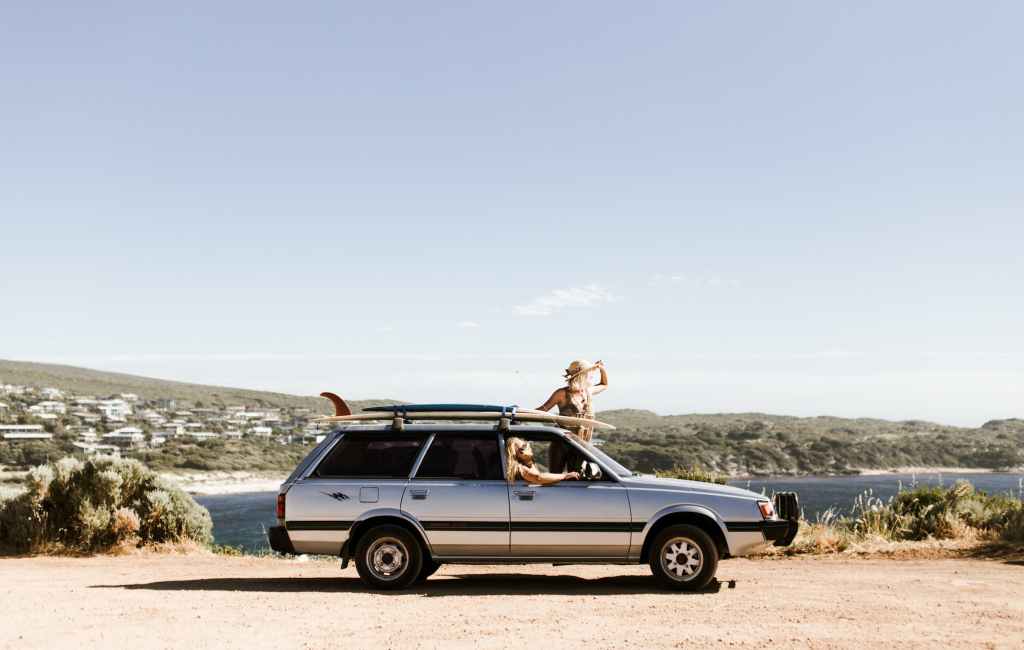
7 Questions to Ask When Choosing a Road Trip Vehicle

Pexels

A road trip is different from your everyday commute, and not just because of the distance. You need greater levels of comfort, fuel efficiency, and safety to really enjoy your road trip. So, does your car make the cut, or should you consider renting a vehicle for your big adventure? Ask yourself these questions to discover your best road trip vehicle.

1.   What are your essential road trip needs?

The size and type of road trip vehicle depend on:

  • Passengers: How many people are going on the road trip? Of course, the greater the number, the larger the vehicle. You don’t want to be cramped together for an extended drive—the road trip will become unbearable pretty fast. 
  • Cargo space: What do you plan to carry for the road trip? Think of camping gear, clothing, sporting equipment, road trip snacks, plus the souvenirs you’ll pick up on the way.
  • Distance and duration: How far do you plan to drive for your road trip? A smaller vehicle is ideal for a short day trip, while a larger, more spacious vehicle works great for long drives. 

2.   Which type of vehicle do you prefer?

Once you figure out the factors above, it’s time to weigh the pros and cons of your preferred vehicle.

  • A compact car is perfect for a solo road trip or with one partner. But it can get uncomfortable on a long journey, and may not have enough cargo space for large equipment.
  • A sedan is great for small families or friends on the road, or for solo or couple road trips with extra gear.
  • An SUV works for off-road adventures because of the all-wheel drive option and high ground clearance. But it may not be as fuel efficient or maneuverable in certain conditions.
  • A minivan is perfect for group travel, plus the sliding doors are convenient if you plan to make many stops on the road trip. You can also fit plenty of gear and even sleep in it if you need to.
  • An RV or campervan is the classic road trip vehicle, especially for extended trips. But the more amenities in the vehicle, the more it costs to rent it for a journey.

3.   What’s your vehicle’s fuel efficiency?

You want to maximize the distance you can travel per gallon and minimize your environmental impact. Fuel efficiency is also important for your road trip because you may have limited refueling options on long-distance trips. Good fuel efficiency means you can drive farther and make it to the next pump. Verify your car’s MPG rating to optimize your fuel consumption.

Note: If you want to use a hybrid or electric vehicle for your road trip, prioritize charging stations in your road trip planner.

4.   How comfortable is your vehicle?

If your current car meets the above criteria, ask yourself if you can bear driving it for long hours. Consider the legroom, adjustable seats, air conditioning, infotainment system, smartphone integration, etc. Your car becomes a second home on a road trip, so make sure you can live in it happily.

5.   How safe is your vehicle?

When you’re out on the road, you want the peace of mind that comes from your car’s safety features. Things like your anti-lock braking (ABS) and automatic emergency braking (AEB), stability control system, and corrective steering features should be in top shape. Also, check your airbags and seatbelts work properly before you head out on your road trip.

6.   How driveable is your vehicle?

Smaller cars maneuver better in urban areas and congested highways, while larger vehicles excel on rougher terrain. If you decide to rent a minivan or RV for your road trip, choose a few models and take them on a test drive to check the suspension, drivetrain options, and overall drivability.

7.   How reliable is your vehicle?

Don’t take a road trip in a car that’s prone to breaking down easily or costs a fortune to repair. A road trip-worthy vehicle has a good reliability track record and known issues that are relatively easy to fix when you’re on your journey. The best thing to do is to go online and check the vehicle’s consumer reports and first-hand reviews before you make your choice. A routine maintenance should be enough to prepare the vehicle for your road trip and get you there and back safely.


Looking for road trip ideas? How about 100 to start you off? 100 Road Trips in the USA: An Alphabetical List of Scenic Drives, National Parks, Historic Monuments, and Incredible Attractions in America.

Out now: Order your copy today.


Road Trip Snacks: How to Keep Your Energy Up Without Ruining Your Diet 

Pexels

It’s easy to eat unhealthy foods during a road trip because you need to keep your energy up while you drive. You can take the easy option: load up on coffee, candy, chips, and energy drinks. Or, as I prefer to do it, you can take some time to choose healthier road trip snacks and save the sugar and carbs for when you really need them. Here’s what you need to know about delicious, wholesome road trip snacks. 

Top 3 Things to Consider When Choosing Road Trip Snacks 

1.      Your diet needs and preferences 

Whether you’re planning a solo road trip or traveling with family and friends, you want to make sure everyone’s needs and preferences are met. Think about vegan, vegetarian snacks, gluten-free, and dairy-free options, plus food allergies or sensitivities. 

2.      Healthy versus indulgent snacks 

Of course, you can always have a treat on your road trip, but the secret is to have it guilt-free. So, find a balance between healthy and not-so-healthy road trip snacks and indulge as a reward, say, after driving an especially long stretch of road or any other achievement or milestone on your adventure. 

3.      Snack prepping and packing

You want easy access to your snacks while you drive, so portable treats like granola bars and trail mix are easy to grab. Keep perishables and temperature-sensitive snacks like chocolate and dairy products in a cooler; use Tupperware containers to keep your road trip snacks organized. This way, you’ll know where everything is and when to restock when you stop along the way.

Road Trip Snack Ideas to Keep Everyone Happy

1.      Healthy road trip snacks 

Get as much protein and vitamins as you can on your road trip to keep you energized and satisfied for longer. Protein bars, Greek yogurt, beef jerky, nuts, and seeds pack a punch and keep you feeling full. You can also snack on carrot sticks, watermelon slices, and apple wedges as part of your refreshments. 

2.      Savory snacks and bites 

Pre-packaged snacks like cheese sticks, crackers, pretzels, and popcorn are great for a crunchy, salty fix. If you’re planning a picnic on the road, sandwiches and wraps are easy to prepare ahead and travel well in a cooler. You can also add a gourmet touch to your road trip with charcuterie and cheese. 

3.      Sweet road trip snacks 

Cookies, muffins, and brownies can keep your sweet tooth happy on the road. You can also add fruit and honey to your yogurt for extra guilt-free sweetness. Keep bite-sized sweets like mini chocolates or gummies on hand for when you need a quick sugar fix. 

4.      Road trip beverages 

Drink plenty of water to stay hydrated and alert while you drive, and have more than enough for everyone on the journey. You can pack coffee and tea for a caffeine boost, prepare smoothies and juices for the trip, and sports drinks with electrolytes if you’re driving in hot weather for extended periods. And of course, avoid alcohol: don’t drink and drive. 

5.      Snack locally, too

Plan to explore the different food options on your road trip, including stopping by roadside stands, markets, and local diners and restaurants. You’ll support local businesses and discover delicious snacks that you’d otherwise miss. It’s also a good way to top up your snacks as you go instead of packing everything from home. 

Bonus Tips 

  • Make mindful choices when picking your road trip snacks and when eating them as well. Go for a balance between sweet and savory snacks, fresh and repackaged snacks, and always drink more water than all your other beverages combined. 
  • Take breaks and stretch your legs on your road trip. Driving is a sedentary activity, and you may end up snacking way more if the drive is monotonous. 
  • Manage your snack portions by packing individual portions in containers and following a snacking schedule. It helps your body make the most of what you eat at intervals instead of eating throughout the drive. 
  • As much as possible, avoid eating in the car and snack at rest stops instead. Reach for water or fresh fruit while you drive, and break out the pre-packaged snacks and sandwiches at a park or scenic lookout. 

Looking for road trip ideas? How about 100 to start you off? 100 Road Trips in the USA: An Alphabetical List of Scenic Drives, National Parks, Historic Monuments, and Incredible Attractions in America.

Out now: Order your copy today.

Solo Road Trips: A Beginner’s Guide 

Pexels

A solo road trip is many things: transformative, exhilarating, an opportunity for self-discovery. It’s also intimidating, daunting, and downright scary if it’s your first ever road trip. With enough preparation and awareness, your first solo road trip can be the beginning of many more adventures. This guide covers road trip essentials for solo travelers to help you plan your journey. 

1.      Choose your ideal destination 

I wrote about choosing a road trip destination in general terms, but it’s even more important when you’re traveling solo. Pick a road trip destination that you’re curious about, or offers an experience that’s worth the drive. That could be a type of landscape or a historical site, or even an annual event or festival you’ve always wanted to attend. Research the weather and road conditions, travel advisories, and other accessibility info to minimize travel risks while you journey alone. 

2.      Decide your itinerary style 

Since you’re traveling solo, you can have a loose, flexible itinerary or a detailed outline that you’ll follow to the letter. It depends on your personality and the time available for the road trip. For example, you can opt to be spontaneous about the number and duration of stops on the drive and have a relaxed journey. Or you could work through a bucket list of attractions that you don’t want to miss. Your solo road trip itinerary should represent you and your interests—there’s no one-size-fits-all here. That said, 

3.      Be spontaneous 

A solo road trip gives you complete freedom, so you can easily take detours or linger in charming places for as long as you please. Even with an itinerary, give yourself some breathing room to enjoy a more organic journey.  

4.      Get a comprehensive vehicle check-up 

You want your car in the best possible shape for your solo road trip, so schedule a thorough maintenance inspection at least a week before D-day. Get all the basic vehicle emergency tools while you’re at it: spare tires, jumper cables, a flashlight, a jack, a wrench, etc. Save the necessary roadside assistance or towing service numbers, too. It’s best to be prepared for unforeseen circumstances to help you get back on the road as quickly as possible. 

5.      Keep a personal emergency kit with you

Just as you prepare your car for repairs, equip your personal safety as well. Ensure your first-aid kit is well stocked with bandages and band-aids, pain killers, antiseptic cream, antibacterial wipes, scissors, etc. Also, refill any prescription medications before you head out on the road, and note the hospitals or clinics along your route. 

6.      Share your solo road trip plans 

Inform your close friends and family members that you’re going on a solo trip. Give them your itinerary, accommodation info, and other details. This is purely for your safety and peace of mind; your loved ones will know where to reach you, and if not, at least someone knows your whereabouts. You can check in with them during your journey to share your progress, too. 

7.      Stay alert, but avoid distractions

You’ll feel tired and drowsy when you’re driving alone. The opposite is also true: you may be alert because of all the notifications pinging on your phone. These two factors are the biggest causes of accidents and incidents on our roads. What can you do to avoid them on your solo road trip? 

  • Vary your playlist: One genre or one tempo can become monotonous, so mix up your road trip tracks. It’s the perfect chance to listen to new artists or go down memory lane. Also, save the songs offline in case you lose connectivity as you drive. 
  • Stop regularly to stretch your legs or take a power nap whenever you need it. Pull over in a safe place and do what re-energizes you. 
  • Drive defensively: Watch out for road signs, other drivers, pedestrians, and wildlife along the way. If you must answer your phone, use your car’s Bluetooth system or put the call on speakerphone. Otherwise, only reply to texts and notifications when you’ve pulled over. 

8.      Wear comfortable clothes 

Weather conditions constantly change on the road, from cool mornings to hot afternoons to sudden storms. Of course, check for weather updates before you start your road trip, but more importantly, dress comfortably for the journey. If you expect weather changes, wear layers that you can easily take off and on again. If you’re driving in the summertime, choose breathable, moisture-wicking fabrics that can handle sweat and cool you down. Pack a good variety of lightweight and heavy clothing items to be on the safe side. 

9.      Know your accommodation options 

Carrying a sleeping bag on your solo road trip is good travel sense, even if you don’t plan to use it. But if you’ll be camping or hiking, get all your outdoor gear ready before you start the journey. For indoor accommodations, book a hotel, motel, cabin, or Airbnb in advance. In either case, choose accommodations with all the amenities you need, including WiFi, safe parking, charging stations, laundry, waste disposal, etc. 

10. Practice travel etiquette 

This means dressing decently, respecting the local residents, engaging in polite conversations, and leaving a place as you found it or better, whether that’s a campsite, parking lot, hotel room, etc. Even if your solo road trip is within your state or country, each location has its own personality and culture. Familiarize yourself with these areas ahead of your trip to avoid causing unnecessary offense.

11. Trust your intuition with people and places

You’ll meet new and interesting people on your solo road trip, but be mindful that they may not all have good intentions. Always keep to public, well-lit areas when interacting with locals, and don’t divulge your itinerary or personal details. Trust your instincts if they signal that a place or person feels off. 

12. Create your road trip keepsake

How will you document your solo road trip adventure? Photos and videos are great, but so is note-taking in a journal or smartphone app. These things become your journey’s keepsakes that capture your experience. You can choose to share it on social media, start a blog, or keep it private. 

13. Enjoy the solitude 

A solo road trip is a chance to get comfortable in your own company. It’s a good way to clear your mind, appreciate nature, and boost your confidence. If you already enjoy being on your own, you’ll love the experience. Otherwise, get ready to do the introspection you’ve been avoiding for some time. The fresh perspective and clarity will be worth the trip. 


Looking for road trip ideas? How about 100 to start you off? 100 Road Trips in the USA: An Alphabetical List of Scenic Drives, National Parks, Historic Monuments, and Incredible Attractions in America.

Out now: Order your copy today.

How to Choose a Road Trip Destination: 8 Questions to Ask

Planning a road trip takes careful consideration. It’s not as easy as picking a spot on a map, especially after the Covid-19 travel disruptions. Of course, you can still have a fantastic road trip when you know what to look out for. Here’s how to choose a road trip destination for an unforgettable adventure.

Pexels

8 Essential Questions to Ask When Choosing Road Trip Destinations

1.    Which destinations resonate the most with you?

Road trip attractions are as diverse as there are adventurers. Some of us love rugged mountains and wilderness; others feel at peace near lakes and oceans. Maybe you’re a history buff and enjoy exploring ancient ruins and museums, or you prefer to immerse yourself in crowds and gravitate toward festivals and farmers markets. Choose a road trip route that matches your personal interests, so it will be worth the drive.

2.    How much time do you have?

If you can only spare an afternoon for your road trip, find interesting destinations or attractions within that time. If you want to spend a month on the road, find a balance between driving time, exploration time, and relaxation time. You don’t want to rush through the attractions or feel overwhelmed by the road trip.

3.    When do you plan to travel?

This is where you consider the seasons: do you want a sunny beach or a snowy mountain? Do you want to catch an annual festival or visit some must-see landmarks? Generally, summer months are peak tourist seasons; even though the weather is perfect, you will encounter more crowds and higher prices for accommodations. If you’re not bound to any specific event, plan your road trip during shoulder months or off-peak seasons, but brace for less-than-ideal weather conditions, e.g., rain and snow.

4.    Who are you traveling with?

If you’re going on a road trip with a companion, consider their preferences and interests, too. Remember that you’ll be stuck with them in a metal box for extended periods of time. Can you communicate with each other effectively and honestly throughout the journey? How will you make decisions about where to stop or what to spend your money on? Choose a compatible road trip partner and find common ground if and when your travel plans change.

5.    How much are you willing to spend?

Every road trip needs a budget because you’ll be spending money on fuel, food, accommodation, attraction tickets, parking fees, souvenirs, and more. These expenses can add up pretty fast when you’re on the road, so include a contingency amount to keep you within your budget. This will cover vehicle repairs, health emergencies, and any other unexpected costs along the way.

6.    How safe will you be on the road trip?

Safety not only means travel advisories and crime rates for your road trip destination but also medical facilities and emergency services on the road. Some road trips are quite remote and have very few facilities, so keep a well-packed first-aid kit with you. Other road trips have wildlife crossing the highway, so drive mindfully to avoid incidents. Think about what you’ll do in case you lose your way or your car breaks down.

7.    What are the transport options available?

Sometimes you’ll want to park your car and explore the road trip attractions by train, bus, bike, or horseback. Find out where you can safely park your vehicle and go on mini-adventures around the area. Also, find out if there are road closures, construction, or other infrastructure obstacles on your road trip. This is especially important if you’re traveling during the fall and winter months. If roads or facilities are closed for whatever reason, adapt your itinerary accordingly.

8.    What are your ideal accomodations?

Maybe you want to rent an RV for your road trip or want a luxurious spa bath at the end of a long drive. Sometimes you want a hotel or motel close to road trip attractions, e.g., when traveling with family. Other times, you may prioritize amenities like Wi-Fi, showers, laundry, and recycling, e.g., if you plan to hike or backpack at your destination. Choose the most comfortable and affordable accommodations that take the stress out of your road trip.

Next Steps for Your Final Road Trip Choice 

So, you’ve answered all these questions and narrowed down to two or three ideal road trip ideas. Here’s what you should do next:

1.    Do your homework

There’s plenty of information about road trip destinations available online from travel blogs, reviews, and books. Join travel groups on social media and connect with fellow adventurers for insights and recommendations. Learn as much as you can about your road trip from reliable sources to help you plan your itinerary.

2.    Include detours in your itinerary

There are always the must-sees on your road trip checklist, but always allow for unexpected discoveries on your journey. You may find a breathtaking view that you didn’t expect, a secluded, relaxing spot, or even an individual worth spending some extra time with. You may even find volunteering opportunities for a worthwhile cause, so take a day or two from your itinerary to support local communities. Learn to improvise and follow uncharted paths should opportunities arise.

3.    Make your road trip sustainable

It’s more important than ever to consider sustainability when traveling, including on road trips. For short road trips, you can drive an electric vehicle without stressing too much about finding a charging station. Otherwise, go with a hybrid car for long road trips because it’s more comfortable and fuel-efficient. Avoid throwing trash on the roadside and find recycling bins instead.

Choose eco-friendly accommodations, buy from small local businesses along the way, and use reusable instead of single-use items, e.g., water bottles, travel mugs, etc. These small steps go a long way in reducing your carbon footprint on the road.


Looking for road trip ideas? How about 100 to start you off? 100 Road Trips in the USA: An Alphabetical List of Scenic Drives, National Parks, Historic Monuments, and Incredible Attractions in America.

Out now: Order your copy today.
9 Essential Road Trip Tips for the Best Adventure Ever

Pixabay

You’re finally ready to get behind the wheel and hit the road. But like every outdoor adventure, you need proper planning to have a fantastic time. Here are some road trip essentials to get you started:

1.   Pre-trip prep

Check that your vehicle is in good condition at least a week before your travel date. Inspect the tires, lights, brakes, fuel, and your basic car toolkit, plus your spare tires and jumper cables. You may want to pick a destination and go in the spirit of adventure, but an itinerary helps to plan for unforeseen scenarios. Make it as detailed as possible, especially if you’re traveling with kids or pets on your road trip.

2.   Prioritize your safety

Be aware of traffic rules on your chosen roads and highways, drive defensively, and stay alert. If you’re planning a cross-country adventure road trip, take enough breaks along the way or switch drivers if you’re traveling with company. Do what you can to keep yourself and others safe on your road trip.

3.   Choose your navigation tools

Your car probably has a sat-nav system, and you can mount your smartphone on the dashboard or on your motorcycle or bike. Even with the most updated navigation tech, it’s always ideal to keep a physical map as a backup. It will come in handy if you’re venturing off the grid or lose network coverage or battery power.

4.   Figure out your accommodations

Unless you’re going on a day trip and getting back home, you’ll need somewhere to stay on your adventure road trip. This means everything from camp grounds and RV parks to hotels and motels to crashing at a friend’s or relative’s house. Plan your accommodations ahead, particularly if your road trip ideas fall during peak seasons.

5.   Road trip meals and snacks

Cover your road trip nutrition in two ways: pack delicious snacks and drinks, and look up some food joints along the route. This approach does three things:

  • It keeps you hydrated and full of energy while you drive
  • It allows you to enjoy roadside picnics at scenic spots
  • It opens you up to local or regional cuisines that you would otherwise miss. 

6.   Plan your road trip entertainment

There’s always the classic: download a playlist of your favorite songs and blast it on your speakers as you cruise down the highway. But you can also bring podcasts, games, and books for those particularly long stretches. If possible, bring a portable Wi-Fi hotspot for your vehicle to keep your devices connected. You can stream your Spotify playlist or live-stream your adventure, too.

7.   Document the journey

Speaking of live streaming, there are lots of ways to capture your road trip adventure. Photos and videos are the go-to choices, but you can also keep a travel journal, either as a physical notebook or a note-taking app on your smartphone. Write down your experiences and reflections on the trip and share them on your social profiles. Who knows, you might inspire others to go on road trips, too.

8.   Be spontaneous

Of course, planning road trips is an important step, but so is keeping an open mind. Take an unplanned detour, speak with locals about hidden gems and attractions, and join local events like festivals or road shows should you cross their paths. These unexpected moments add much more flavor and color to your adventure road trip.

9.   Keep the fire burning

One successful road trip ultimately leads to another, and another. How do you keep the spirit of the open road alive? By sharing and reliving your experience with friends and family, keeping touch with the connections you made, and learning from each journey. Maintain this wholesome attitude, and you’ll be taking road trips every chance you get.


Looking for road trip ideas? How about 100 to start you off? 100 Road Trips in the USA: An Alphabetical List of Scenic Drives, National Parks, Historic Monuments, and Incredible Attractions in America.