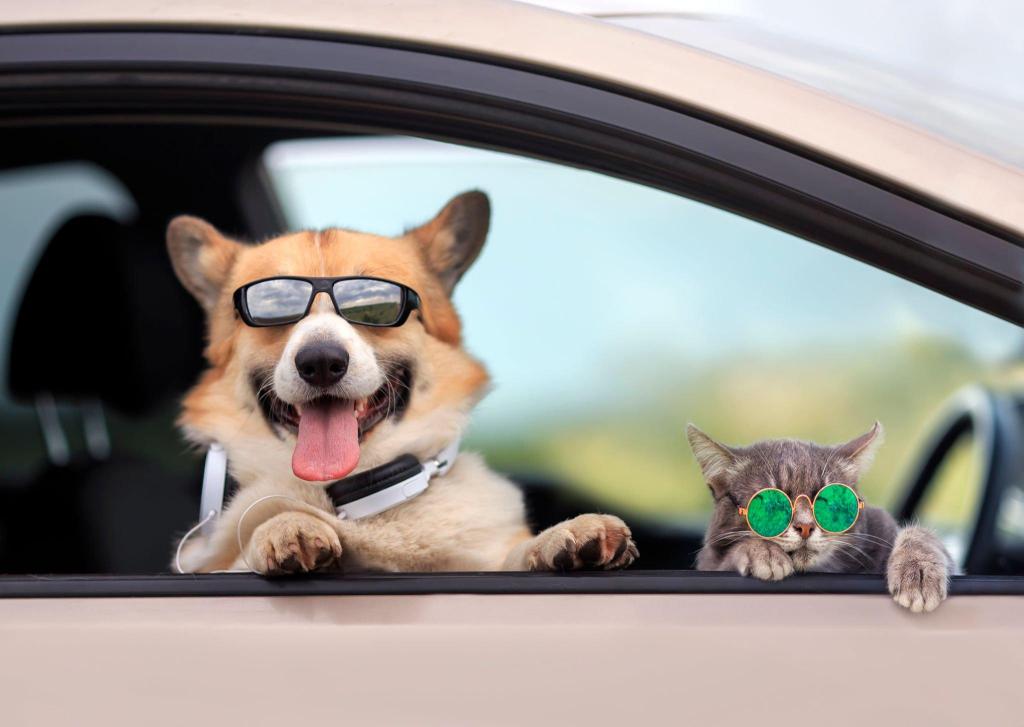
If you have a furry friend, you want to take them everywhere with you, including on road trips. But how do you travel over long distances with a cat or dog (or both or several!) and have a great time? Here are the top questions to ask before you head out on your adventure.
1. Is your pet’s personality compatible with a road trip?
Maybe your pet loves to run around in open spaces, so an extended time in the car would make them anxious. Or your pet has a cool, calm personality and loves the tranquility of a long drive. Or they have a huge personality and would bounce around the car, distracting you from driving. Ideally, you want to acclimatize your pet with short car rides, but if you’ve just adopted them, there are a few things you can do to make the road trip more comfortable:
- Get a pet carrier or crate, especially if your pet is small in size or young in age. Your pet should be able to stand, lie down, and turn comfortably, so you can secure the crate to the car seat. It should also have room enough for a few pet toys to keep them happy.
- For larger pets, put a mesh divider or barrier between your front and back seats to keep them from rushing forward while you drive. For dogs particularly, you can buy a canine seatbelt to buckle them in during your journey.
- Get your pet’s favorite toys and blankets in the car with you. Familiar objects can help them calm down during a road trip.
Remember that even a super well-behaved pet can get excited on a road trip and become a hazard while you drive. Secure them as best you can, then stop often to let them get some exercise.
2. Is your pet in good health?
If your pet has a preexisting health issue or is a senior, take extra precautions while you prepare for a road trip. Take them to the vet a few days before the trip to update their vaccinations, top up their medication, and get tips on how to keep them calm on your journey. Even with pets in great health, a routine checkup is great for peace of mind.
3. Does your pet have all their identifications?
This means their name on a collar, your contact details should they get lost, and possibly a GPS tracker on them as well. You may also need permits or vaccination certificates for certain destinations if you’re crossing state borders. Some parks may also need these details in case your pet gets off their leash or gets injured as you travel.
4. Are you ready for frequent stops?
Road trips with pets tend to go slower than you expect because of the rest stops. Your pet will need exercise and a chance to potty, so pace your journey to accommodate their needs. Choose pet-friendly stops and always have waste bags to pick up after them.
5. Do you have road trip-friendly bowls?
You need to keep your pet fed and hydrated during your road trip, but the food and water bowls at home might not be suitable for the journey. Find some spill-proof pet bowls and leak-proof bottles to avoid making a big mess in your car. Search online for “travel pet bowls” and “travel pet water dispensers” and see which ones best fit your furry friend.
6. Does your road trip vehicle have good climate control?
If you have to stop for supplies or grab some takeout in no-pet places, you’ll need to leave your pet in your car for some time. Remember, cats and dogs can easily overheat or get too cold, so your vehicle needs a well-functioning AC system in case you leave them unattended, however briefly. Crack your windows open, too, and consider leaving a note on your window indicating that your pet is safe and you’ll be right back.
7. How do you plan to keep your pets entertained on the road?
Unlike road trips with kids where you have lots of conversations and [road trip games] to play, pets will need a different kind of engagement. Look for interactive toys that dispense treats, and get a variety of their old favorites and new, fun toys to keep them occupied. Try to avoid squeaky or noisy toys because they can be really distracting when you’re driving. And go for larger toys that won’t roll under your car seats.
8. Have you confirmed that your accommodations and attractions are pet-friendly?
Imagine arriving at your destination only to discover your furry friend isn’t allowed. Read the reviews, look at pet policies, and call ahead to find out if your hotel, motel, parks, beaches, etc., welcome pets. Some places charge additional fees for pets, while others have strict rules about leashes. A little extra research can save you from huge inconveniences.
Looking for road trip ideas? How about 100 to start you off? 100 Road Trips in the USA: An Alphabetical List of Scenic Drives, National Parks, Historic Monuments, and Incredible Attractions in America.

Out now: Order your copy today.

 100 Road Trips